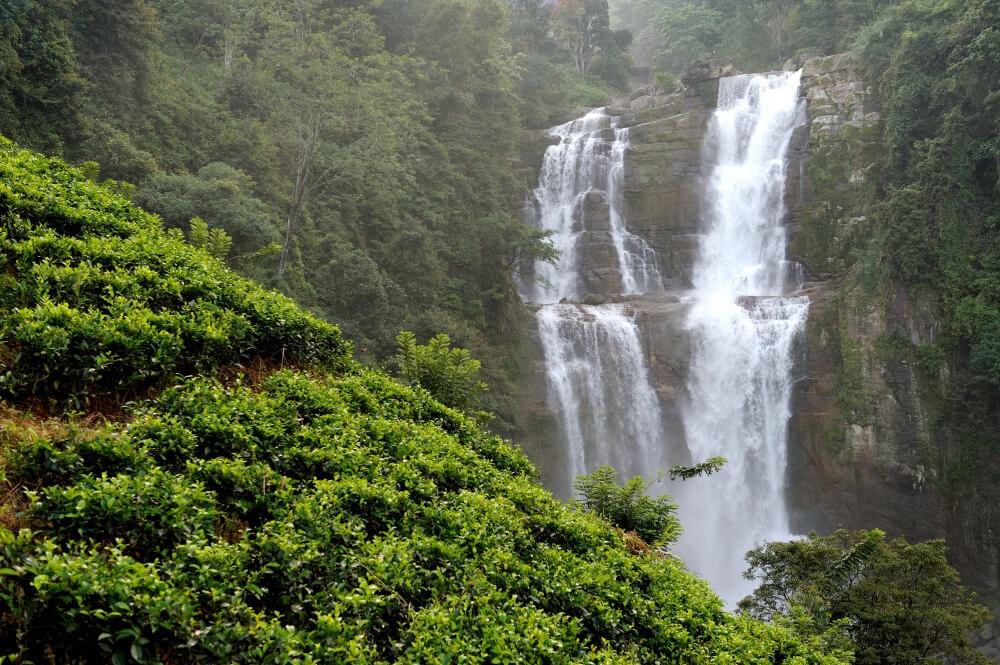
Serengeti National Park

Serengeti National Park is one of the most iconic wildlife destinations in the world, celebrated for its vast savannahs, diverse ecosystems, and incredible wildlife. Located in northern Tanzania, Serengeti National Park spans approximately 14,750 square kilometers, making it one of Africa’s largest and most famous national parks. The park is most renowned for the annual Great Migration, where over two million wildebeests, zebras, and gazelles travel across the Serengeti plains in search of greener pastures, creating one of nature’s most breathtaking spectacles.(Exploring Serengeti National Park)

Exploring Serengeti National Park Tanzania offers travelers a once-in-a-lifetime safari experience, whether you’re witnessing the dramatic river crossings during the migration, observing predators on the hunt, or simply enjoying the stunning African sunsets over the endless plains.

Introduction to Serengeti National Park

The Serengeti, meaning “endless plains” in the Maasai language, lives up to its name with sweeping landscapes that seem to stretch to infinity. The park is part of the larger Serengeti ecosystem, which includes the Ngorongoro Conservation Area and parts of the Maasai Mara in Kenya. Serengeti National Park is divided into distinct regions, each with its own unique environment and wildlife. These regions include the Serengeti Plains, the Western Corridor, the Northern Serengeti, and the Serengeti Woodlands.

Home to the Big Five—lion, elephant, buffalo, leopard, and rhinoceros—the Serengeti offers one of the most thrilling wildlife experiences in Africa. The park is also a UNESCO World Heritage Site, recognized for its outstanding natural beauty and ecological importance.

The Great Migration: Nature’s Most Spectacular Event

One of the most remarkable natural phenomena on the planet, the Great Migration is the main reason many travelers visit Serengeti National Park. Every year, over two million animals—including wildebeests, zebras, and gazelles—embark on a circular migration across the Serengeti and into the Maasai Mara. This epic journey is driven by the search for fresh grazing land and water, as the animals follow seasonal rains across the plains.

The migration is not only a journey of survival but also a stage for dramatic wildlife encounters. Predators such as lions, cheetahs, leopards, and hyenas follow the herds, creating intense moments of life-and-death struggle. The river crossings, particularly at the Grumeti and Mara rivers, are some of the most dramatic scenes, where animals must brave crocodile-infested waters.

Timing is crucial when exploring Serengeti National Park Tanzania to witness the migration, as the movement of the herds is dictated by rainfall. From December to March, the southern Serengeti hosts the calving season, where thousands of wildebeest calves are born daily. From June to August, the herds gather in the western and northern parts of the park, preparing for the perilous river crossings into the Maasai Mara.

Wildlife Safaris in Serengeti National Park

While the Great Migration is the Serengeti’s most famous event, the park offers incredible wildlife viewing year-round. The Serengeti is home to over 70 large mammal species and more than 500 bird species, making it one of the most diverse ecosystems in Africa.

Visitors can embark on game drives through the different regions of the park, each offering unique wildlife encounters. The Serengeti Plains, for example, are the best place to spot cheetahs, as the open grasslands provide an ideal hunting ground for these fast predators. The woodlands of the Northern Serengeti are excellent for spotting leopards, which are more elusive and often found resting in the branches of acacia trees.

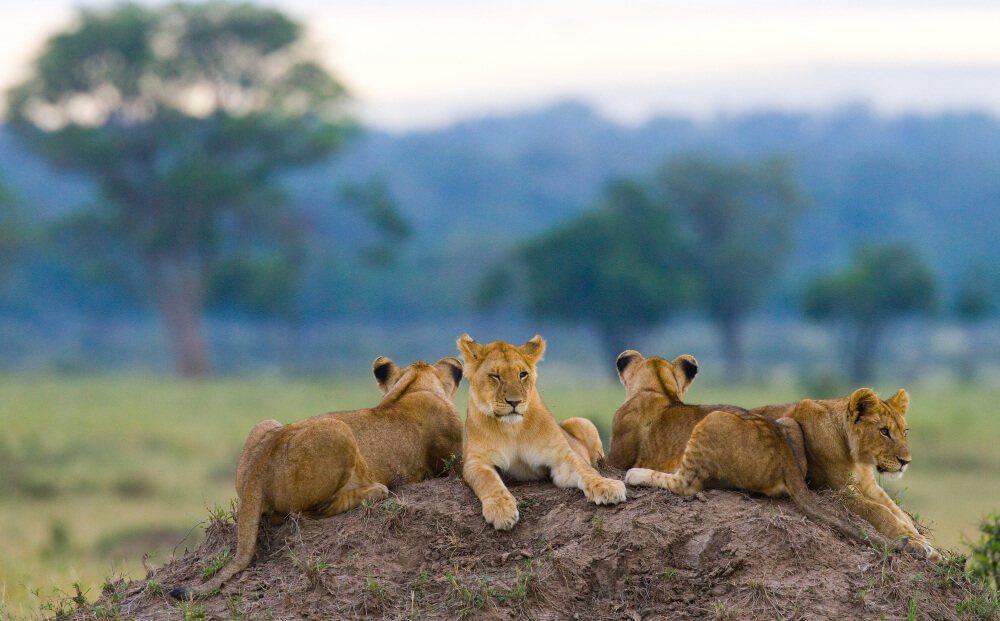
The Serengeti is also one of the best places in Africa to see lions in their natural habitat. The park is home to several lion prides, and their interactions—whether lounging in the sun, hunting, or protecting their cubs—offer fascinating insights into the life of these majestic predators.

The Big Five and Other Wildlife of the Serengeti

The Big Five—lion, elephant, buffalo, leopard, and rhinoceros—are among the most sought-after animals in Serengeti National Park, and visitors have a high chance of spotting them during a safari. Elephants roam the woodlands and savannahs, often seen in family groups, while buffalos graze in large herds across the plains. Leopards are more elusive but can be spotted in the wooded areas of the park.

Though rhinos are rare in the Serengeti due to past poaching, they can still be found in certain areas, particularly in the northern regions near the Maasai Mara border.

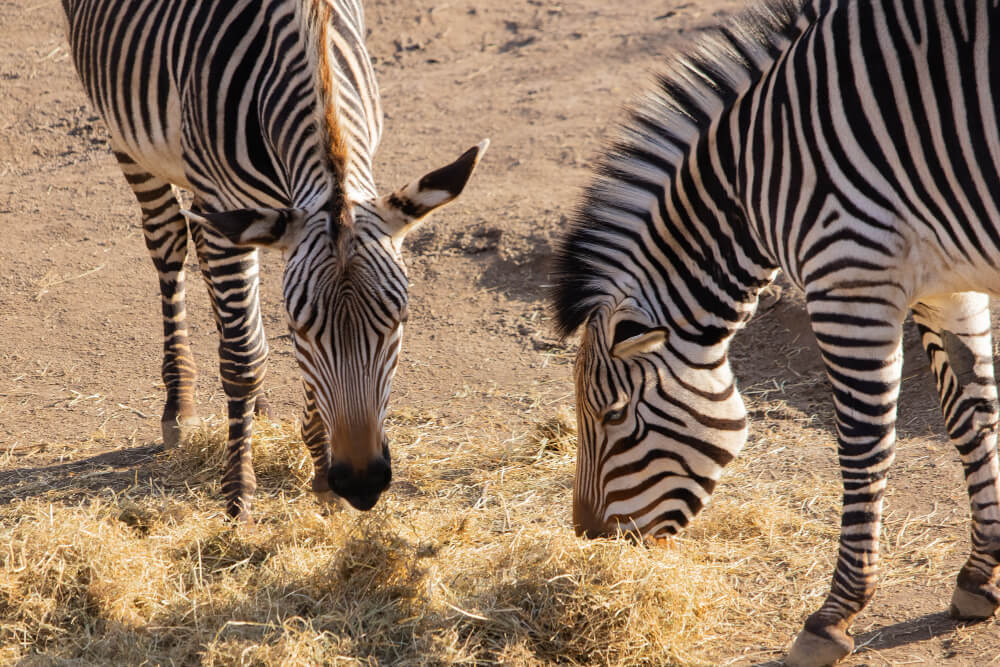
In addition to the Big Five, the Serengeti is teeming with other wildlife. Giraffes, zebras, and antelopes are commonly seen grazing across the plains, while hippos and crocodiles dominate the rivers. Smaller predators such as jackals, servals, and African wild dogs also call the Serengeti home, adding to the park’s remarkable biodiversity.

Birdwatching in Serengeti National Park

Serengeti National Park is a paradise for birdwatchers, with over 500 bird species recorded. The park’s varied habitats, including grasslands, woodlands, and wetlands, support a wide range of avian life. Bird species range from large, iconic birds such as ostriches, kori bustards, and secretary birds, to smaller, colorful species like lilac-breasted rollers and superb starlings.

One of the most sought-after birds in the Serengeti is the Fischer’s lovebird, a species endemic to northern Tanzania. Other notable birds include the martial eagle, crowned crane, and the rare black-headed gonolek.

Whether you’re an experienced birder or a casual observer, exploring Serengeti National Park Tanzania offers incredible opportunities to see a diverse array of birdlife in a stunning natural setting.

The Serengeti’s Regions and Ecosystems

Serengeti National Park is divided into several distinct regions, each offering a unique experience for visitors.

  • Serengeti Plains: The heart of the park and home to the Great Migration, the Serengeti Plains are characterized by vast, open grasslands where you can spot predators like lions and cheetahs.
  • Western Corridor: This region follows the Grumeti River and is famous for its dramatic river crossings during the migration. The Western Corridor is also home to large populations of hippos and crocodiles.
  • Northern Serengeti: Less visited but equally stunning, the Northern Serengeti offers a more remote safari experience. It’s the best place to witness the wildebeest migration as they cross into the Maasai Mara. The area is also known for its dense woodlands, where leopards and elephants are often seen.
  • Seronera Valley: Located in the central part of the park, the Seronera Valley is a wildlife-rich area known for its large predator population. Lions, leopards, and hyenas are commonly spotted here.

Exploring these diverse regions of Serengeti National Park Tanzania offers a variety of safari experiences, from observing river crossings to following lion prides through the grasslands.

Hot Air Balloon Safaris in Serengeti National Park

One of the most unique ways to experience the Serengeti is from above, on a hot air balloon safari. Floating over the plains at sunrise provides a breathtaking perspective of the park’s landscapes and wildlife. From the air, you can spot herds of wildebeests and zebras migrating across the savannah, elephants moving through the woodlands, and even predators stalking their prey.

Hot air balloon safaris typically end with a champagne breakfast in the bush, making for an unforgettable experience when exploring Serengeti National Park Tanzania.

Cultural Encounters with the Maasai People

A visit to the Serengeti is not complete without experiencing the culture of the Maasai people, who have lived in harmony with the land for centuries. The Maasai are a semi-nomadic tribe known for their distinctive customs, colorful clothing, and warrior traditions. Many Maasai villages are located near the Serengeti, and visitors can take part in cultural tours to learn about their way of life, participate in traditional dances, and purchase handcrafted jewelry and artifacts.

These cultural encounters provide insight into the Maasai’s deep connection to the Serengeti and their role in the region’s history.

Accommodation Options in Serengeti National Park

Serengeti National Park offers a range of accommodation options, from luxury lodges and tented camps to budget-friendly campsites. Luxury lodges such as the Four Seasons Safari Lodge and Singita Grumeti provide world-class accommodations with stunning views of the Serengeti’s landscapes and wildlife. These lodges offer a high level of comfort, with amenities such as swimming pools, gourmet dining, and guided safari experiences.

For those seeking a more immersive experience in nature, there are numerous tented camps located throughout the park. These camps, such as Serengeti Wilderness Camp and Kati Kati Tented Camp, offer comfortable yet rustic accommodations, allowing guests to sleep under the African sky while being surrounded by the sounds of the bush.

Budget travelers can opt for public campsites, which provide basic facilities but still offer an authentic Serengeti experience. Regardless of your budget, exploring Serengeti National Park Tanzania offers a wide range of accommodations to suit every type of traveler.

Conservation Efforts in Serengeti National Park

Serengeti National Park is a critical area for conservation in Africa. The park’s ecosystems support a vast array of species, but the area has faced challenges such as poaching and habitat encroachment. The Tanzanian government, along with conservation organizations like the Frankfurt Zoological Society, works to protect the Serengeti’s wildlife and promote sustainable tourism.

Conservation efforts in the Serengeti focus on anti-poaching patrols, habitat restoration, and education programs for local communities. Tourism plays a crucial role in funding these initiatives, as a portion of park fees and safari revenues go directly toward conservation.

Visitors are encouraged to follow responsible tourism practices when exploring Serengeti National Park Tanzania, such as respecting wildlife, minimizing waste, and supporting eco-friendly lodges.

FAQs

What is the best time to visit Serengeti National Park?
The best time to visit is during the Great Migration, from June to September, or during the calving season from December to March.

How can I get to Serengeti National Park?
The park is accessible by road from Arusha (a 6-hour drive) or by domestic flights to several airstrips within the park.

What wildlife can I see in Serengeti National Park?
Visitors can see the Big Five (lion, elephant, buffalo, leopard, and rhino), as well as cheetahs, giraffes, zebras, wildebeests, and more.

Can I witness the Great Migration year-round?
The migration occurs year-round, but the most dramatic moments, like river crossings, typically happen from June to September.

Are there luxury accommodations in Serengeti National Park?
Yes, there are several luxury lodges and tented camps, such as the Four Seasons Safari Lodge and Singita Grumeti, offering top-notch amenities.

Is a hot air balloon safari worth it?
Absolutely! A hot air balloon safari offers a unique and breathtaking perspective of the Serengeti’s wildlife and landscapes, especially at sunrise.

Exploring Serengeti National Park Tanzania is an unparalleled adventure that allows visitors to experience the raw beauty of Africa’s wildlife and landscapes. From the awe-inspiring Great Migration to the peaceful encounters with the Maasai people, the Serengeti offers a safari experience unlike any other. Whether you’re watching a lion pride on the hunt, floating over the plains in a hot air balloon, or simply soaking in the views of the endless savannahs, Serengeti National Park promises memories that will last a lifetime.
Kibale National Park

Kibale National Park, often referred to as the “Primate Capital of the World,” is one of Uganda’s most prized natural destinations. Located in western Uganda, near the town of Fort Portal, this tropical rainforest is home to the largest population of chimpanzees in the country, along with 12 other primate species. Kibale National Park spans 795 square kilometers and provides visitors with an immersive jungle experience, filled with rich biodiversity, dense forest canopies, and the calls of wild primates echoing through the trees.(Discovering Kibale National Park)

Discovering the park is a must for anyone seeking an adventure in the heart of Africa’s rainforest, especially for those interested in primate tracking, birdwatching, and nature hikes.

Introduction to Kibale National Park

Kibale National Park is a fascinating destination, offering a glimpse into one of Uganda’s most intact rainforests. It is part of a larger forested area that includes Queen Elizabeth National Park, forming a continuous corridor of biodiversity that extends into the Albertine Rift Valley. Kibale’s rich ecosystem supports a wide variety of wildlife, including mammals, reptiles, birds, and an abundance of plant species.

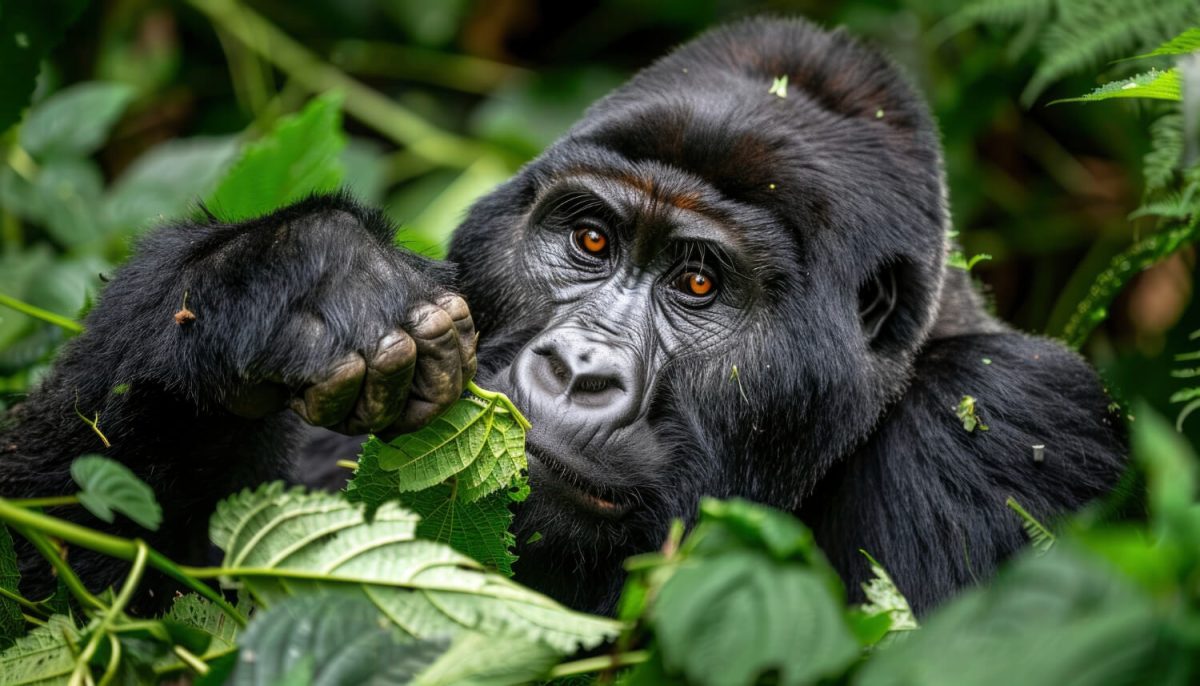
However, the park is best known for its primate population. Kibale National Park is home to over 1,500 chimpanzees, making it the most important site for chimpanzee tracking in Uganda. In addition to chimpanzees, visitors can observe black-and-white colobus monkeys, red colobus monkeys, L’Hoest’s monkeys, and grey-cheeked mangabeys, among others.(Discovering Kibale National Park)

Chimpanzee Tracking in Kibale National Park

Chimpanzee tracking is the park’s most popular activity, drawing visitors from around the world. Kibale National Park offers the unique opportunity to observe these intelligent primates in their natural habitat. Experienced guides lead small groups through the dense rainforest in search of chimpanzee families, who are often heard long before they are seen. The experience of watching chimpanzees up close, as they swing through the trees, play, feed, and interact with one another, is truly unforgettable.

Chimpanzee tracking permits are required and should be booked in advance due to high demand. For those seeking an even deeper experience, Kibale also offers a chimpanzee habituation experience, where visitors can spend the entire day observing and learning about the process of habituating wild chimps to human presence.

Primates of Kibale National Park

Beyond chimpanzees, Kibale National Park is a haven for other primate species. The park is home to 13 different species of primates, making it one of the most primate-rich areas in the world. While exploring Kibale, visitors can encounter red-tailed monkeys, blue monkeys, olive baboons, and the rare Ugandan red colobus, among others. The diversity of primates in the park offers an incredible opportunity to observe the varied behaviors, diets, and social structures of these fascinating creatures.

For primate enthusiasts, Kibale National Park is a dream destination, where the chances of encountering multiple species in a single day are high.

The Diverse Ecosystem

Kibale National Park is renowned for its rich and diverse ecosystem, which includes tropical rainforest, woodland, savannah, and swamp. This variety of habitats supports an equally diverse range of species, making Kibale one of Uganda’s most important conservation areas. In addition to primates, the park is home to 70 species of mammals, including bushbucks, duikers, and giant forest hogs. Elephants occasionally roam the park’s forested areas, while the elusive leopard can also be found, though it is rarely seen.

The park’s flora is equally impressive, with towering trees such as mahogany, fig, and ironwood dominating the landscape. Walking through the forest, visitors are surrounded by the sights and sounds of a thriving jungle, from the calls of birds to the rustling of leaves in the canopy.

Birdwatching in Kibale National Park

Kibale National Park is a birdwatcher’s paradise, boasting over 375 recorded bird species. Its varied habitats make it an ideal destination for birdwatching enthusiasts, offering sightings of both forest and savannah species. Some of the notable birds found in the park include the African pitta, green-breasted pitta, white-naped pigeon, and the majestic African grey parrot.

Birdwatching tours can be arranged with experienced guides who are familiar with the park’s birdlife. These tours take visitors deep into the forest, where they can observe rare and elusive species, many of which are endemic to the region. Birding in Kibale is a truly rewarding experience, especially for those interested in spotting forest-dwelling species.

Nature Walks and Hiking Trails in Kibale National Park

In addition to chimpanzee tracking, Kibale National Park offers several hiking and nature walking opportunities that allow visitors to explore the forest on foot. The park’s well-maintained trails wind through dense vegetation, offering a peaceful and immersive experience in nature. Along the way, hikers may encounter primates, butterflies, and a wide variety of plant species.

One of the most popular trails is the Bigodi Wetland Sanctuary, located just outside the park. This community-run project offers guided walks through a swampy area that is rich in birdlife and home to several primate species. The sanctuary is an excellent place to observe wildlife and support local conservation efforts.

Exploring Kibale National Park on foot offers a deeper connection to the forest and its inhabitants, allowing visitors to appreciate the intricate relationships between the park’s flora and fauna.

The Bigodi Wetland Sanctuary

The Bigodi Wetland Sanctuary is a must-visit destination for those exploring Kibale National Park. Located just outside the park’s boundaries, this community-based conservation project is managed by the local Bigodi community and is dedicated to preserving the wetland’s unique ecosystem. The sanctuary is known for its rich biodiversity, particularly its birdlife, with over 200 species recorded, including the elusive great blue turaco.

In addition to birds, the Bigodi Wetland Sanctuary is home to several primates, including red colobus monkeys, black-and-white colobus monkeys, and grey-cheeked mangabeys. Guided walks through the wetland offer a chance to learn about the local flora and fauna, as well as the community’s conservation efforts.

Visiting Bigodi provides not only a great wildlife experience but also an opportunity to support local conservation initiatives that benefit both wildlife and the local people.

Nocturnal Walks in Kibale National Park

For those seeking a unique adventure, Kibale National Park offers nocturnal forest walks, where visitors can explore the jungle after dark. The park’s nocturnal walks are a thrilling way to observe the forest’s night-time residents, including bush babies, pottos, and nightjars. Armed with flashlights and guided by an experienced ranger, visitors venture into the forest to discover the creatures that come alive after sunset.

These night walks offer a completely different perspective on the forest, highlighting the park’s biodiversity in a way that daytime activities cannot. Nocturnal walks are available in the evenings and are a perfect way to cap off a day of exploring Kibale National Park.

Best Time to Visit Kibale National Park

Kibale National Park is a year-round destination, but the best time to visit depends on your preferences for activities. The dry seasons, from June to September and December to February, are the best times for chimpanzee tracking, as the forest trails are less muddy, and the chances of seeing primates are higher. During these months, the weather is more predictable, making outdoor activities more comfortable.

However, the wet season, particularly from March to May and October to November, offers lush, green landscapes and is ideal for birdwatching, as migratory birds are more abundant during this period. Despite the rain, Kibale’s rainforest remains an enchanting destination, with fewer crowds and a more intimate wildlife experience.

Cultural Experiences Around Kibale National Park

Exploring Kibale National Park Uganda also includes opportunities to connect with the local communities living near the park. The communities around Kibale have a rich cultural heritage, and several tours offer insights into their traditional ways of life. Visitors can participate in cultural performances, visit local farms, and learn about the traditional practices of the Batooro and Bakiga people.

One of the most popular cultural experiences is a visit to the Bigodi village, where the community showcases their crafts, including handmade baskets and carvings. These cultural interactions provide visitors with a deeper understanding of the local way of life and the strong connection between the people and the natural environment.

Accommodation Options

Kibale National Park offers a variety of accommodation options to suit different preferences and budgets. For those seeking a luxury experience, lodges like Primate Lodge Kibale and Kyaninga Lodge provide comfortable accommodations with stunning views of the forest. Mid-range options like Chimpanzee Forest Guesthouse offer a more affordable yet comfortable stay close to the park’s main attractions.

Budget travelers can also find affordable campsites and guesthouses in the surrounding area, making the Park accessible to all types of visitors. Many of the lodges and camps offer guided tours and activities, ensuring that guests have an unforgettable experience in the park.

Conservation and Sustainability in the Park

The Park is a critical area for conservation, particularly for primate species like chimpanzees. The Uganda Wildlife Authority (UWA) works closely with local communities and international organizations to protect the park’s biodiversity and promote sustainable tourism. Conservation efforts include anti-poaching patrols, community education programs, and habitat restoration projects.

Visitors to Kibale are encouraged to support these efforts by practicing responsible tourism. This includes following park guidelines, minimizing environmental impact, and supporting local conservation projects such as the Bigodi Wetland Sanctuary.

Tourism plays a vital role in the park’s conservation efforts, with a portion of the revenue generated from permits and activities going directly toward preserving Kibale’s unique ecosystem.

FAQs

What is the best time to visit Kibale National Park?
The best time to visit is during the dry seasons (June to September and December to February) for chimpanzee tracking and nature walks.

How do I get to Kibale National Park?
The park is accessible by road from Kampala, a 5-6 hour drive, or by domestic flights to Kasese Airport, followed by a short drive.

What wildlife can I expect to see in the Park?
In addition to chimpanzees, Kibale is home to other primates such as red-tailed monkeys, black-and-white colobus monkeys, and L’Hoest’s monkeys, as well as forest elephants and bushbucks.

Do I need a permit for chimpanzee tracking in the Park?
Yes, a permit is required for chimpanzee tracking and should be booked in advance through the Uganda Wildlife Authority.

Can I visit the Park for birdwatching?
Absolutely. With over 375 bird species, Kibale National Park is an excellent destination for birdwatching, particularly in the Bigodi Wetland Sanctuary.

Is there accommodation available within Kibale National Park?
Yes, there are several lodges and guesthouses within and near the park, offering a range of options from luxury to budget.

Discovering Kibale National Park

Discovering the Park Uganda offers an unparalleled experience for anyone interested in primate tracking, nature walks, and birdwatching. With its dense rainforests, rich biodiversity, and a commitment to conservation, the park is a must-visit destination for those seeking adventure and a deep connection with nature. Whether you’re trekking with chimpanzees, spotting rare birds, or exploring the forest on foot, thePark provides a truly immersive and unforgettable experience in one of Africa’s most pristine wildernesses.

Queen Elizabeth National Park

Queen Elizabeth National Park, located in western Uganda, is one of the most biodiverse and visited parks in East Africa. Spanning approximately 1,978 square kilometers, the park is a haven for wildlife enthusiasts, bird watchers, and nature lovers. Named after Queen Elizabeth II following her visit in 1954, the park is home to a remarkable range of species, including the famous tree-climbing lions of Ishasha, elephants, hippos, and over 600 bird species. The park is also famous for its striking landscapes, featuring volcanic craters, vast savannahs, lush forests, and the serene Kazinga Channel that connects Lake Edward and Lake George.

Exploring Queen Elizabeth Park is an opportunity to immerse yourself in one of the most spectacular ecosystems on the continent.

Introduction to Queen Elizabeth National Park

Queen Elizabeth National Park offers a complete safari experience with its varied landscapes and diverse wildlife. From the rugged Rwenzori Mountains to the rolling plains of Kasenyi, the park provides an awe-inspiring backdrop to unforgettable wildlife encounters. Whether you’re on a game drive tracking predators, taking a boat cruise along the Kazinga Channel, or exploring the crater lakes dotted throughout the park, there’s something for everyone.

The park’s rich biodiversity makes it a crucial conservation area in Uganda. In addition to the famous mammals, the park also hosts reptiles, amphibians, and an incredible variety of bird species, earning it a reputation as a birdwatcher’s paradise.

The Diverse Landscapes of Queen Elizabeth National Park

One of the most captivating aspects of Queen Elizabeth National Park is its diverse landscapes, which range from sprawling savannahs to dense tropical forests. The park’s landscape is shaped by volcanic activity, resulting in the formation of dozens of craters, some of which are now filled with lakes, while others serve as salt mines.

The Rwenzori Mountains, often referred to as the “Mountains of the Moon,” provide a stunning backdrop to the park’s northern regions. In contrast, the Kazinga Channel in the center of the park offers a different kind of beauty, where hippos wallow and crocodiles bask on the riverbanks. In the south, the Ishasha sector’s unique habitat is home to the famous tree-climbing lions.

Exploring Queen Elizabeth Park Uganda offers the chance to experience a range of ecosystems in one destination.

The Famous Tree-Climbing Lions of Ishasha

One of the most iconic and unusual attractions in Queen Elizabeth National Park is the population of tree-climbing lions found in the Ishasha sector, located in the park’s southern region. These lions have developed a rare behavior of climbing and lounging in fig and acacia trees, offering a rare sight for safari-goers. While lions elsewhere are usually found on the ground, the Ishasha lions are often spotted resting on tree branches, particularly during the heat of the day, where they seek relief from the sun and potential pests.

Photographers and wildlife enthusiasts come from all over the world to witness this unique phenomenon, making the Ishasha sector a must-visit area when exploring Queen Elizabeth Park Uganda.

Wildlife Experiences in Queen Elizabeth National Park

Queen Elizabeth National Park is a wildlife lover’s dream. The park is home to 95 species of mammals, making it one of the most biodiverse national parks in Uganda. Visitors can expect to see herds of elephants, buffalos, and Uganda kobs grazing on the savannah plains. The Kazinga Channel is teeming with life, from large pods of hippos to massive Nile crocodiles and a variety of waterbirds.

A game drive through the park, especially in the Kasenyi Plains, offers excellent opportunities to spot predators like lions and leopards hunting prey. Hyenas and jackals are also commonly seen roaming the plains.

Beyond the large mammals, the park is also home to warthogs, waterbucks, topis, and bushbucks, all of which can be observed during a safari.

The Kazinga Channel Boat Cruise

One of the most popular activities in Queen Elizabeth National Park is a boat cruise along the Kazinga Channel, a natural waterway that connects Lake Edward and Lake George. The Kazinga Channel is renowned for having one of the densest concentrations of hippos in Africa, and visitors can witness these massive creatures up close as they laze in the water. Crocodiles, elephants, buffaloes, and a variety of waterbirds, including pelicans and African fish eagles, can also be spotted along the shores.

The boat cruise provides a unique perspective of the park’s wildlife and offers excellent photographic opportunities. As the boat glides through the calm waters, you’ll have front-row seats to some of the most incredible wildlife interactions in the park.

Birdwatching in Queen Elizabeth National Park

For birdwatchers, Queen Elizabeth National Park is one of the best destinations in Africa. With over 600 recorded bird species, the park is an important birding area, attracting enthusiasts from around the world. The diverse habitats, including wetlands, forests, and savannahs, support a wide variety of birdlife.

Notable species include the shoebill stork, the African skimmer, flamingos at the crater lakes, and the majestic grey-crowned crane, which is also Uganda’s national bird. The Maramagambo Forest and the shores of the Kazinga Channel are prime spots for birdwatching, offering sightings of both resident and migratory species.

Exploring Queen Elizabeth Park Uganda as a birding destination is a must for any ornithologist or amateur bird enthusiast.

The Crater Lakes of Queen Elizabeth National Park

Queen Elizabeth National Park is dotted with numerous crater lakes, which were formed by volcanic activity millions of years ago. Some of these lakes, such as Lake Katwe, are saltwater lakes, and salt mining has been a traditional practice in the area for centuries. Visitors can take tours to the salt pans and learn about the local salt-extraction process, which has been passed down through generations.

Other crater lakes, such as the scenic Lake Nyamunuka, are fresh water and serve as watering holes for wildlife. These crater lakes not only add to the beauty of the park but also provide habitats for various species of birds and animals.

Chimpanzee Trekking in Kyambura Gorge

Kyambura Gorge, often referred to as the “Valley of Apes,” is located in the northeastern part of Queen Elizabeth National Park and is famous for chimpanzee trekking. The gorge is a lush rainforest set within a deep ravine, offering a stark contrast to the surrounding savannahs. Chimpanzee trekking in Kyambura Gorge allows visitors to observe these primates in their natural habitat as they swing from trees, feed, and interact with one another.

In addition to chimpanzees, the gorge is home to other primate species, including red-tailed monkeys and baboons, making it a fascinating destination for primate enthusiasts.

Exploring the Maramagambo Forest

Maramagambo Forest, located in the southern part of Queen Elizabeth National Park, is one of the largest tropical forests in Uganda. This dense forest is home to a variety of wildlife, including chimpanzees, forest elephants, and several monkey species. It’s also a great place for birdwatching, with several bird species inhabiting the forest.

One of the highlights of visiting Maramagambo Forest is exploring the bat caves, which are home to thousands of fruit bats. These caves are also known for the presence of pythons, which are often seen coiled up inside, waiting to prey on the bats.

Community and Cultural Experiences Around Queen Elizabeth National Park

Exploring Queen Elizabeth Park Uganda also offers opportunities to connect with the local communities living around the park. Several cultural tours are available, where visitors can learn about the traditional ways of life of the Bakonzo, Basongora, and Banyabindi people. These communities have lived around the park for generations, and visitors can experience their music, dance, and craftsmanship firsthand.

The Kikorongo Women’s Community offers cultural performances, including traditional dances and drumming, as well as the opportunity to purchase handmade crafts, such as baskets and beadwork, which support local livelihoods.

Accommodation Options in Queen Elizabeth National Park

Queen Elizabeth National Park offers a wide range of accommodation options, catering to different budgets and preferences. From luxury lodges like Mweya Safari Lodge and Kyambura Gorge Lodge to mid-range and budget campsites, there’s something for everyone.

Many lodges and camps are located in areas with stunning views of the park, and some are set along the shores of the Kazinga Channel or near the crater lakes. Whether you’re looking for a luxury safari experience or a more rustic camping adventure, the park has a variety of accommodations to suit your needs.

Conservation and Sustainability Efforts in Queen Elizabeth National Park

Queen Elizabeth National Park plays a significant role in Uganda’s conservation efforts. The Uganda Wildlife Authority (UWA) is responsible for managing the park and implementing conservation strategies aimed at protecting endangered species and preserving the park’s ecosystems. These efforts include anti-poaching patrols, community-based conservation projects, and educational programs to raise awareness about wildlife protection.

Visitors are encouraged to practice responsible tourism by following park regulations, minimizing environmental impact, and supporting conservation initiatives that contribute to the long-term sustainability of the park.

FAQs

What is the best time to visit Queen Elizabeth National Park?
The best time to visit is during the dry seasons, from June to September and December to February, for easier wildlife spotting.

How do I get to Queen Elizabeth National Park?
The park is accessible by road from Kampala, a 5-6 hour drive, or by domestic flights to nearby airstrips like Mweya or Kasese.

What is the most famous attraction in Queen Elizabeth National Park?
The park is best known for its tree-climbing lions in the Ishasha sector and the boat cruises along the Kazinga Channel.

Are chimpanzee trekking permits required in Kyambura Gorge?
Yes, visitors need to obtain permits for chimpanzee trekking in Kyambura Gorge, which can be arranged through the Uganda Wildlife Authority.

What wildlife can I expect to see on a game drive?
On a game drive, you can see elephants, lions, leopards, Uganda kobs, buffaloes, and various antelope species.

Is birdwatching good in Queen Elizabeth National Park?
Yes, with over 600 bird species, Queen Elizabeth National Park is a prime destination for birdwatching enthusiasts.

Discovering Queen Elizabeth Park Uganda offers visitors an extraordinary safari experience, rich in wildlife, unique landscapes, and cultural encounters. Whether you’re marveling at the famous tree-climbing lions of Ishasha, cruising the wildlife-rich Kazinga Channel, or trekking chimpanzees in the Kyambura Gorge, Queen Elizabeth National Park promises unforgettable memories. As one of Uganda’s most biodiverse national parks, it continues to be a must-visit destination for anyone seeking the true beauty of the African wilderness.

Murchison Falls National Park

Murchison Falls National Park, one of Uganda’s premier conservation areas, presents an unforgettable mix of breathtaking landscapes, diverse wildlife, and the world’s most powerful waterfall. Established in 1952, the park spans over 3,840 square kilometers and is the largest of Uganda’s national parks. The iconic waterfall, after which the park is named, is a dramatic spectacle, where the mighty Nile River is forced through a narrow gorge, plunging 43 meters below.

For adventurers, nature enthusiasts, and wildlife lovers, Murchison Falls offers an unmissable opportunity to experience Uganda’s wild beauty firsthand.(Exploring Murchison Falls Park)

Introduction to Murchison Falls National Park

Exploring Murchison Falls Park Uganda is not just about visiting a famous waterfall. It is a journey through lush savannahs, rich forests, and expansive wetlands, teeming with a variety of wildlife and bird species. Located in northwestern Uganda, Murchison Falls National Park is bisected by the Victoria Nile, which adds to the park’s beauty and ecological significance. As you explore the park, you will encounter not only the thundering falls but also the Big Five, including elephants, lions, leopards, and buffaloes.

For bird watchers, the park is a paradise, with over 450 species recorded, including the rare shoebill stork and the colorful red-throated bee-eater.

The Iconic Murchison Falls

At the heart of Murchison Falls National Park lies its most famous attraction – Murchison Falls. Known as the world’s most powerful waterfall, the falls are created by the Nile River being funneled through a 7-meter-wide gap before cascading down into the “Devil’s Cauldron.” This incredible force creates a thunderous roar, with mist rising high into the sky, forming beautiful rainbows when caught by the sun.

Visiting the falls offers a chance to witness this natural power up close, with boat trips along the Nile providing a front-row seat to its majesty. Hikes to the top of the falls are equally rewarding, offering panoramic views of the park’s landscapes and the Nile as it snakes through the savannah.

Wildlife Experiences in Murchison Falls National Park

Exploring Murchison Falls Park Uganda would be incomplete without experiencing its rich wildlife. The park’s vast ecosystem supports an impressive array of species, both large and small. A game drive through the savannah is an excellent way to spot elephants, giraffes, buffaloes, and antelopes. If you’re lucky, you might even catch sight of a lion lounging in the tall grass or a leopard perched in a tree, surveying the landscape.

The Victoria Nile is home to a large population of hippos and crocodiles, making a river safari an exciting adventure. The shores are also frequented by elephants, warthogs, and waterbucks, providing endless photo opportunities.

Birdwatching in Murchison Falls National Park

For bird lovers, Murchison Falls National Park is a true haven. The park boasts a rich diversity of bird species, with wetlands, savannahs, and forests all supporting different avian life. The rare and elusive shoebill stork is one of the park’s prized residents, often spotted in the Nile’s swamps. Other notable species include the goliath heron, grey-crowned crane, Abyssinian ground hornbill, and the beautiful malachite kingfisher.

Guided birdwatching tours are available, allowing visitors to discover the park’s rich avifauna while walking through various habitats.

The Unique Flora of Murchison Falls National Park

The plant life in Murchison Falls National Park is just as diverse as its animal inhabitants. The park’s landscape varies from open savannahs to woodlands, forests, and riverine areas. The southern part of the park is more forested, with Budongo Forest being home to chimpanzees and other primates, while the northern section features vast grasslands that are ideal for grazing animals.

Along the banks of the Nile, papyrus reeds and water lilies dominate, while acacia trees and Borassus palms dot the savannah, providing shade for wildlife and picturesque views for visitors.

Best Time to Visit Murchison Falls National Park

While the park is open year-round, the best time for exploring Murchison Falls Park Uganda is during the dry seasons, from December to February and June to September. During these months, wildlife is more concentrated around water sources, making it easier to spot animals during game drives and river cruises. The weather is also more conducive for hiking and outdoor activities, with less rain to disrupt plans.

However, the wet season, particularly between March and May, is ideal for birdwatching as migratory species arrive, and the park’s vegetation is lush and vibrant.

Safari Activities in Murchison Falls National Park

Exploring Murchison Falls Park Uganda offers a wide range of activities for all types of travelers. Popular activities include game drives, boat safaris, and guided nature walks. A game drive through the Buligi Peninsula, the park’s prime wildlife area, is an exhilarating way to see a variety of animals, from towering giraffes to herds of elephants. The early morning or late afternoon is the best time for game drives, as animals are most active during these cooler parts of the day.

Boat safaris along the Victoria Nile are equally thrilling, offering the chance to see crocodiles, hippos, and various bird species along the riverbanks. For more adventurous visitors, sport fishing on the Nile is available, where anglers can try their luck at catching Nile perch, some of which can weigh over 100 kg.

Chimpanzee Trekking in Budongo Forest

A short distance from the Murchison Falls is the Budongo Forest, which offers the opportunity to trek with chimpanzees. This ancient mahogany forest is home to over 600 chimpanzees, and guided treks allow visitors to observe these fascinating primates in their natural habitat. The experience of watching chimpanzees swing through the trees, play, and communicate is truly remarkable and adds a unique dimension to the Murchison Falls adventure.

Cultural Encounters Around Murchison Falls

Exploring Murchison Falls Park Uganda is not just about nature and wildlife; the surrounding areas are also rich in cultural heritage. Visitors have the chance to engage with the local communities and learn about their traditional lifestyles. The nearby villages offer cultural tours where you can interact with the Bunyoro and Acholi people, participate in traditional dances, and explore their crafts and agricultural practices.

These cultural experiences provide a deeper understanding of Uganda’s rich history and the strong connection between the local communities and the natural environment.

Accommodation Options in Murchison Falls National Park

There are various accommodation options available for visitors to Murchison Falls National Park, ranging from budget campsites to luxury lodges. Whether you prefer camping under the stars or staying in a five-star lodge with views of the Nile, the park caters to all tastes and budgets. Some popular lodges include Paraa Safari Lodge, Nile Safari Lodge, and Pakuba Safari Lodge, each offering unique experiences and stunning views of the park’s landscapes.

For those looking for a more rustic experience, Red Chilli Rest Camp provides affordable accommodations with easy access to the park’s attractions.

Conservation Efforts in Murchison Falls National Park

Murchison Falls National Park plays a crucial role in wildlife conservation in Uganda. The park is managed by the Uganda Wildlife Authority (UWA), which works tirelessly to protect its biodiversity and promote sustainable tourism. Conservation efforts focus on protecting endangered species, combating poaching, and preserving the park’s ecosystems. Visitors are encouraged to respect the environment, follow park rules, and support conservation initiatives by participating in responsible tourism.

Tourism in the park directly contributes to conservation funding, helping to ensure that Murchison Falls National Park remains a thriving sanctuary for future generations.

FAQs

What is the best time to visit Murchison Falls National Park?
The best time to visit is during the dry seasons, from December to February and June to September, when wildlife is easier to spot.

How can I get to Murchison Falls National Park?
The park is accessible by road from Kampala, about a 4-5 hour drive. Alternatively, you can fly to Pakuba Airstrip from Entebbe.

What activities can I do in Murchison Falls National Park?
Activities include game drives, boat safaris, chimpanzee trekking, sport fishing, and birdwatching.

Are there any luxury accommodations in Murchison Falls National Park?
Yes, the park offers a range of accommodations, including luxury lodges like Paraa Safari Lodge and Nile Safari Lodge.

Is Murchison Falls National Park safe for tourists?
Yes, the park is safe for tourists. Uganda Wildlife Authority ensures the safety of visitors, with regular patrols and guidelines for responsible tourism.

Can I see the Big Five in Murchison Falls National Park?
Yes, four of the Big Five – lions, leopards, elephants, and buffaloes – can be found in the park. Rhinos can be seen at the nearby Ziwa Rhino Sanctuary.

Murchison Falls National Park offers a truly remarkable experience for anyone looking to explore Uganda’s natural beauty. From the powerful waterfall to the vast savannah teeming with wildlife, the park is a must-visit destination for adventurers, nature lovers, and anyone seeking an unforgettable African safari experience. Whether you’re enjoying a boat safari along the Nile, spotting lions on a game drive, or marveling at the thunderous Murchison Falls, the park promises endless wonders at every turn.

Inquiry / Booking

📧 Email Us 💬 WhatsApp 📝 Inquiry Form