Lake Mburo National Park

Lake Mburo National Park, located in southwestern Uganda, is a beautiful, compact park known for its rich biodiversity, scenic landscapes, and tranquil atmosphere. Despite being one of Uganda’s smaller national parks, Lake Mburo offers a unique safari experience with abundant wildlife, including zebras, impalas, and hippos. The park’s mix of lakes, swamps, and savannas provides a stunning backdrop for game drives, boat safaris, and walking excursions. Ideal for those seeking a more relaxed safari, Lake Mburo National Park showcases Uganda’s diverse habitats and wildlife.


Diverse Wildlife of Lake Mburo

Lake Mburo National Park is known for its unique wildlife species, including the largest populations of zebras and impalas in Uganda. The park is also home to buffalo, eland, topi, and leopards, as well as hippos and crocodiles along its lakeshores. Unlike many other Ugandan parks, Lake Mburo has no elephants, allowing visitors to enjoy more intimate encounters with smaller mammals and herbivores. For bird watchers, the park’s varied ecosystems attract over 350 bird species, making it a fantastic location for birding enthusiasts.


Game Drives in Lake Mburo

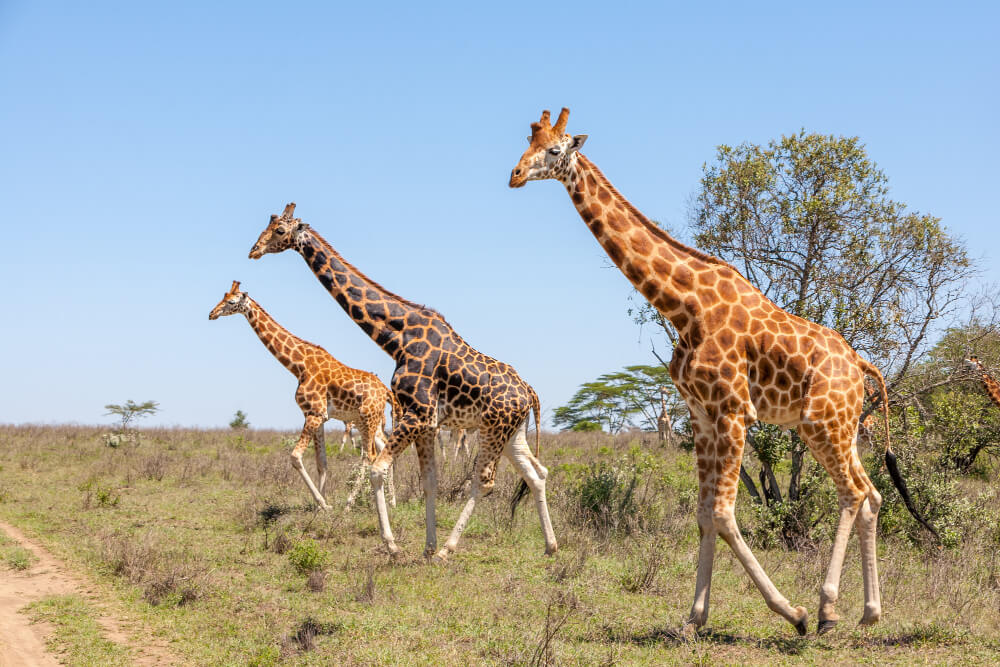
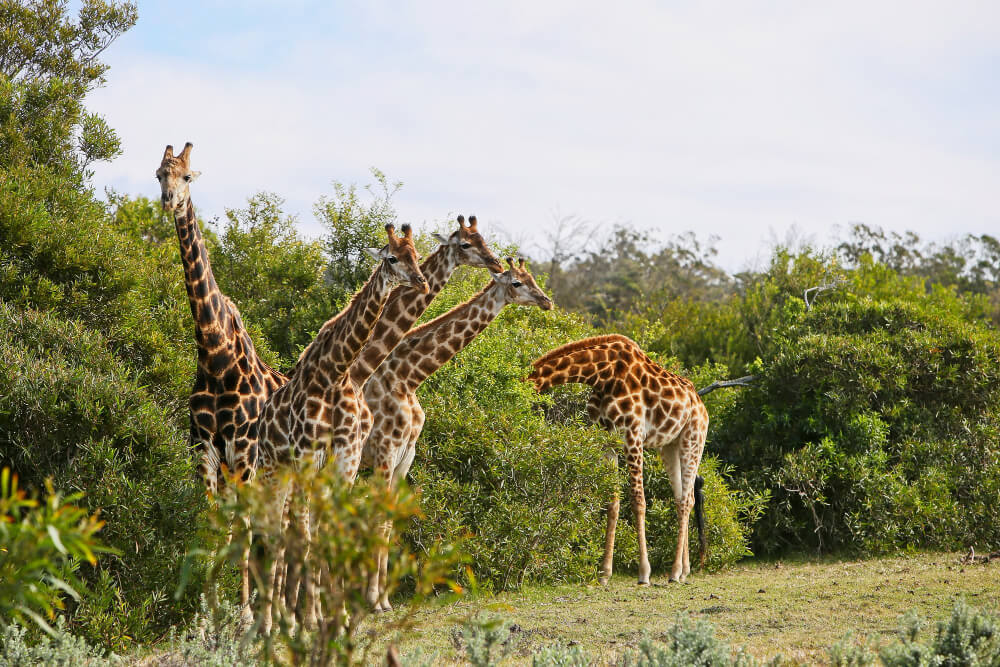
Game drives in Lake Mburo offer an up-close look at the park’s wildlife in a relaxed and scenic setting. Early morning and late afternoon drives are the best times to see animals, especially zebras, impalas, and giraffes, as they graze across the open plains. The park’s compact size means that wildlife sightings are frequent, and the rolling hills and acacia-dotted landscapes provide stunning scenery along the way. Guided game drives allow visitors to learn about animal behaviors and the park’s unique ecology, enhancing the overall safari experience.


Boat Safaris on Lake Mburo

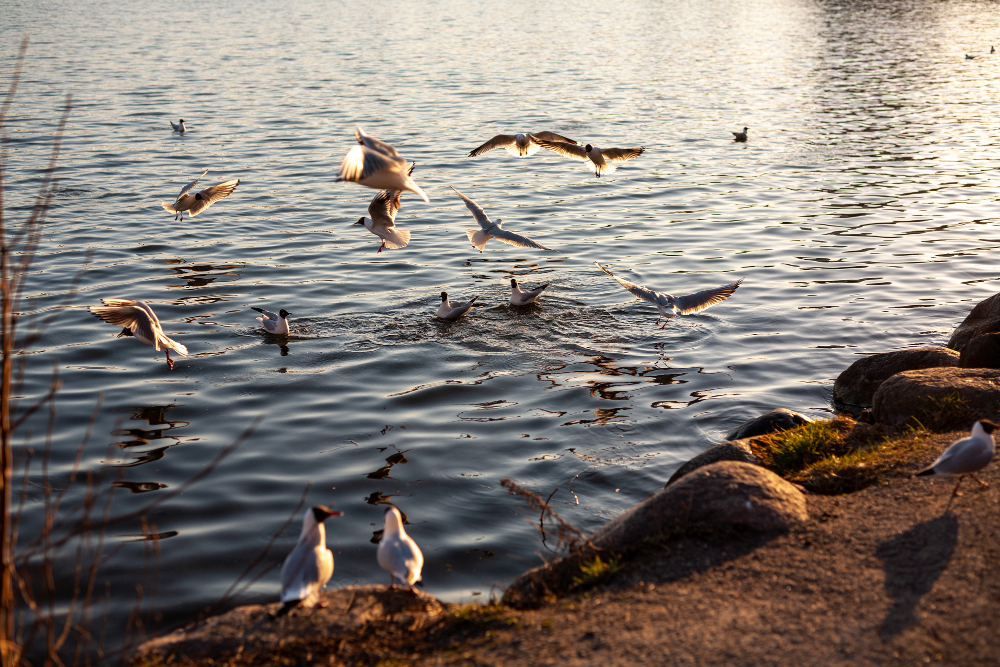
Lake Mburo National Park is one of Uganda’s few parks that offers boat safaris, allowing visitors to explore the wildlife-rich lake from a different perspective. The boat cruise on Lake Mburo provides excellent opportunities to spot hippos, crocodiles, and a variety of waterbirds, including African fish eagles, pied kingfishers, and colorful bee-eaters. Boat safaris are a relaxing way to observe wildlife along the shores and enjoy the peaceful ambiance of the lake, especially during sunset.


Walking Safaris and Nature Walks

Lake Mburo is one of the few national parks in Uganda that allows walking safaris, offering a unique and intimate way to experience the park. Accompanied by an armed ranger, visitors can walk through the savannas, acacia woodlands, and valleys, observing wildlife on foot. Walking safaris provide a chance to see smaller animals, learn about animal tracks, and observe plant life up close. The experience is both thrilling and educational, giving visitors a deeper connection to the natural environment of Lake Mburo.


Bird Watching in Lake Mburo

With its diverse habitats, Lake Mburo National Park is a haven for bird watchers, boasting over 350 bird species. Some notable species include the African finfoot, white-winged warbler, and red-faced barbet, which are rare in other parks. The lakes and swamps attract waterbirds, while the savannas and forests support raptors and ground birds like the crested francolin and brown parrot. Whether you’re a seasoned birder or a beginner, Lake Mburo’s birdlife adds color and variety to the safari experience.


Scenic Beauty and Tranquil Atmosphere

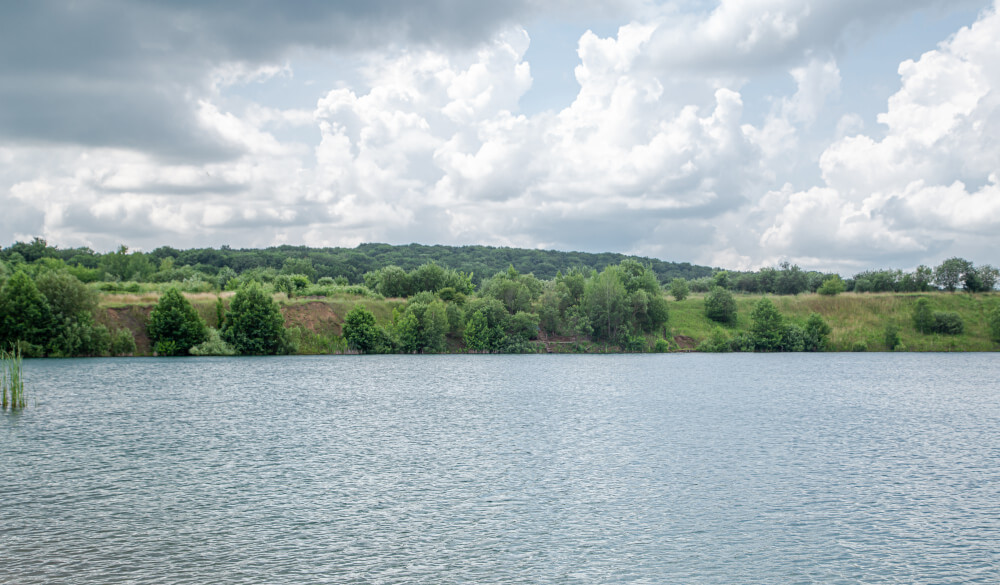
Lake Mburo National Park is celebrated for its scenic landscapes, which include rolling hills, open savannas, and five beautiful lakes. The park’s compact size makes it easy to explore, and its peaceful setting is perfect for those seeking a relaxed safari experience. Sunrises and sunsets over the lakes and plains create breathtaking views, making Lake Mburo an ideal destination for photography. The combination of water, woodlands, and savanna creates a unique and serene atmosphere, offering a picturesque alternative to Uganda’s larger parks.


Cycling Safaris and Unique Experiences

One of the unique activities offered at Lake Mburo National Park is the cycling safari, which allows visitors to explore the park’s landscapes on two wheels. Guided cycling tours are a thrilling way to encounter wildlife, especially zebras and antelopes, in a more active and eco-friendly manner. The park also offers horseback riding safaris, a rare activity that brings visitors closer to nature and provides a unique perspective on game viewing. These alternative safari experiences make Lake Mburo a standout destination for adventurous travelers.


Community and Cultural Encounters

A visit to Lake Mburo National Park can be enriched by engaging with the local communities. The nearby Ankole community is known for its traditional cattle herding and unique long-horned Ankole cattle. Many lodges organize visits to local villages, where guests can learn about the Ankole way of life, witness traditional dances, and see the craftwork and farming practices that are integral to the community’s culture. These interactions offer an authentic cultural experience that complements the wildlife safari.


Accommodations in Lake Mburo

Lake Mburo National Park offers a range of accommodations, from luxury lodges overlooking the lakes to comfortable tented camps set within the park’s savannas. Many of these lodges emphasize eco-friendly practices and offer unique experiences like guided nature walks, night game drives, and bird-watching tours. Whether you prefer a luxury stay with modern amenities or a rustic camping experience closer to nature, Lake Mburo’s accommodations provide a comfortable base for exploring this charming park.


Conservation Efforts in Lake Mburo

Conservation is central to Lake Mburo National Park’s mission, with efforts focused on protecting its unique wildlife and preserving the fragile ecosystems of its lakes and wetlands. The park works closely with surrounding communities to promote sustainable practices, ensuring that tourism benefits both the environment and local people. By visiting Lake Mburo, travelers support these conservation initiatives, helping to protect the park’s biodiversity for future generations.


Best Time to Visit Lake Mburo

Lake Mburo National Park can be visited year-round, but the best time for wildlife viewing is during the dry season, from June to September and December to February, when animals gather around water sources. The dry season offers clearer trails for walking safaris and cycling tours, while the wet season from March to May and October to November brings vibrant greenery and an increase in bird activity. Each season reveals different aspects of the park’s natural beauty, ensuring a rewarding experience no matter when you visit.


Lake Mburo National Park is a hidden gem in Uganda, offering a unique blend of wildlife, scenic landscapes, and outdoor adventures. From game drives and boat safaris to walking excursions and cultural encounters, every experience in Lake Mburo brings visitors closer to Uganda’s rich natural heritage. For those seeking a peaceful yet diverse safari destination, Lake Mburo’s compact size, diverse ecosystems, and relaxed atmosphere make it a perfect choice.
Ngorongoro Conservation Area

The Ngorongoro Conservation Area, a UNESCO World Heritage Site, is one of Tanzania’s most remarkable natural wonders. Located within the Great Rift Valley, the conservation area is home to the world-famous Ngorongoro Crater, the largest intact volcanic caldera. This “Garden of Eden” is renowned for its high density of wildlife, scenic beauty, and unique ecosystem, making it a top destination for African safaris. A visit to Ngorongoro offers the chance to witness an array of wildlife, breathtaking landscapes, and the Maasai culture, all within a single destination.


Wildlife of the Ngorongoro Crater

The Ngorongoro Crater is celebrated for its rich concentration of wildlife, making it one of the best places in Africa to spot the “Big Five” – lions, leopards, elephants, buffalos, and the critically endangered black rhino. The crater floor is home to over 25,000 large animals, including zebras, wildebeest, hippos, and hyenas. Lions are particularly numerous in the crater, with prides often spotted resting on the grasslands. This diverse ecosystem makes Ngorongoro a dream destination for wildlife enthusiasts and photographers alike, as the crater’s enclosed environment offers frequent sightings of various species.


Game Drives in Ngorongoro Conservation Area

Game drives in the Ngorongoro Crater are a unique experience, as the entire caldera serves as a natural enclosure for wildlife. Early morning game drives are ideal for spotting predators like lions and hyenas, while hippos and elephants can often be seen grazing along the freshwater springs. With such a high density of animals within a confined space, game drives in the crater provide exceptional viewing opportunities. Guides are knowledgeable about animal behaviors and know the best locations for sightings, enhancing the overall safari experience.


Bird Watching in Ngorongoro

Bird watchers will find the Ngorongoro Crater a rewarding location, with over 500 bird species recorded within the conservation area. The crater’s lakes attract a variety of waterbirds, including flamingos, pelicans, and storks, while the grasslands and woodlands support species like the kori bustard, secretary bird, and crowned crane. Migratory birds are also present from November to April, making this an ideal time for birding. Whether you’re a novice or an experienced birder, the Ngorongoro Conservation Area offers diverse bird-watching opportunities in a scenic setting.


Scenic Beauty of the Ngorongoro Crater

The Ngorongoro Crater is not only a wildlife haven but also a place of extraordinary beauty. Standing on the crater rim, visitors are greeted with a panoramic view of the lush crater floor below, surrounded by high, forested walls. The varying landscapes within the crater – from open grasslands and marshes to freshwater lakes and acacia woodlands – create a stunning natural mosaic. Sunrises and sunsets over the crater are especially captivating, casting a golden glow over the landscape and providing unforgettable photo opportunities.


Conservation and Unique Ecosystem

The Ngorongoro Conservation Area is a unique model of conservation where humans and wildlife coexist. Unlike traditional national parks, the conservation area allows for the sustainable use of land by the Maasai people, who graze their livestock within the protected area. This harmonious relationship between people and nature has preserved the area’s ecosystem, making it one of the most biodiverse regions in Africa. Conservation efforts within Ngorongoro focus on protecting endangered species, promoting sustainable tourism, and maintaining the delicate balance between humans and wildlife.


The Maasai Culture and Community

A visit to Ngorongoro is incomplete without experiencing the Maasai culture, as the conservation area is home to many Maasai communities. The Maasai people have lived in harmony with the land and its wildlife for centuries, and their presence adds a cultural dimension to the Ngorongoro experience. Visitors can participate in organized cultural tours to nearby Maasai villages, where they’ll witness traditional dances, learn about Maasai customs, and see the intricate beadwork and handicrafts for which the Maasai are famous. This cultural exchange provides insight into the Maasai’s deep connection to the Ngorongoro landscape.


Hiking and Walking Safaris

For those looking to experience Ngorongoro beyond the safari vehicle, hiking and walking safaris offer a unique perspective. The Olmoti and Empakaai Craters, located near the Ngorongoro Crater, are excellent for guided hikes that reveal stunning views, lush landscapes, and chances to spot wildlife. Walking safaris led by experienced Maasai guides offer an intimate experience, allowing visitors to explore the area on foot and learn about traditional uses of plants, animal tracking, and the local ecosystem. Hiking in Ngorongoro provides a more personal connection to the landscape and a deeper appreciation for its natural beauty.


Accommodations in Ngorongoro Conservation Area

Ngorongoro Conservation Area offers a range of accommodations, from luxury lodges perched on the crater rim to eco-friendly camps within the conservation area. Many lodges offer spectacular views over the crater and provide amenities such as guided walks, Maasai-led cultural experiences, and night safaris. Staying near the crater rim allows for early morning game drives, maximizing time spent observing wildlife. With options catering to various preferences and budgets, the lodges and camps in Ngorongoro provide an immersive and comfortable experience in a truly unique setting.


Best Time to Visit Ngorongoro

The Ngorongoro Conservation Area can be visited year-round, though the best time for wildlife viewing is during the dry season from June to October. During these months, animals are more concentrated around water sources, making sightings more frequent. The wet season from November to May brings lush greenery and a vibrant birding season, as migratory birds arrive. Each season offers unique advantages: the dry season is ideal for big game viewing, while the wet season reveals the crater’s floral beauty and abundant birdlife.


Conclusion

The Ngorongoro Conservation Area is a must-visit destination for anyone seeking an unforgettable African safari. With its high density of wildlife, dramatic landscapes, and rich Maasai culture, Ngorongoro offers a safari experience that’s both diverse and immersive. From game drives in the crater to bird watching, hiking, and cultural encounters, every aspect of Ngorongoro invites exploration and discovery. As one of Tanzania’s most iconic locations, Ngorongoro Conservation Area promises an enriching experience that showcases the harmony of nature, wildlife, and local communities in one of Africa’s most breathtaking natural settings.

Ruaha National Park

Ruaha National Park, located in southern Tanzania, is one of the country’s best-kept safari secrets. As Tanzania’s largest national park, covering over 20,000 square kilometers, Ruaha offers a raw and authentic safari experience with minimal tourist crowds. Known for its rugged landscapes, ancient baobab trees, and incredible wildlife diversity, Ruaha is a haven for game viewing, especially for predators and large elephant herds. For those seeking an off-the-beaten-path adventure, Ruaha National Park provides a captivating blend of scenic beauty, abundant wildlife, and a truly wild safari atmosphere.


Diverse Wildlife of Ruaha National Park

Ruaha is celebrated for its rich wildlife, boasting some of the highest predator densities in Africa. The park is home to large populations of lions, leopards, and cheetahs, with lions here forming super prides of up to 20 members. Ruaha also hosts rare species like the endangered African wild dog, which roam the park’s vast landscapes. Additionally, Ruaha is known for its impressive elephant population, with herds often gathering along the Great Ruaha River during the dry season. Giraffes, zebras, kudu, and various antelope species thrive in Ruaha, providing a dynamic mix of prey and predators that makes game viewing especially exciting.


Game Drives in Ruaha National Park

Game drives in Ruaha offer a unique safari experience, as the park’s low visitor numbers allow for intimate wildlife encounters without the typical crowds. Early morning and late afternoon game drives are ideal for spotting predators and large mammals, as well as the park’s array of bird species. The baobab-studded landscape and open plains create stunning backdrops for photography, while expert guides provide valuable insights into animal behaviors and tracking techniques. Each game drive in Ruaha feels like a true adventure into untouched wilderness, capturing the essence of Africa’s raw beauty.


Bird Watching in Ruaha

With over 570 recorded bird species, Ruaha National Park is a paradise for birdwatchers. The park’s varied ecosystems – including riverine forests, miombo woodlands, and savannas – attract a wide range of birds, from waterfowl to raptors. Birding highlights in Ruaha include sightings of the African fish eagle, martial eagle, crested barbet, and purple-crested turaco. The Great Ruaha River is particularly popular for aquatic birds like herons, kingfishers, and storks. Whether you’re an experienced birder or a novice, Ruaha’s birdlife adds a vibrant and colorful element to the safari experience.


The Great Ruaha River: Lifeline of the Park

The Great Ruaha River is the heart of Ruaha National Park, providing essential water for the park’s diverse wildlife, especially during the dry season. The river’s banks attract large herds of elephants, buffalos, and other animals, offering excellent game-viewing opportunities. The river ecosystem also supports Nile crocodiles and hippos, while its lush surroundings draw predators like lions and leopards seeking prey. Watching animals congregate along the riverbanks at sunrise or sunset is a magical experience, as the golden light illuminates Ruaha’s dramatic landscapes.


Scenic Beauty and Unique Landscapes

Ruaha’s scenery is a stunning blend of open plains, rocky escarpments, and ancient baobab trees, creating a distinct and varied landscape. The park’s highlands offer panoramic views over the vast savannas, while the lowlands are dotted with granite kopjes and seasonal rivers. These diverse landscapes make Ruaha visually captivating, and the park’s iconic baobabs add a touch of timeless beauty. The dramatic terrain and rich natural colors provide an extraordinary backdrop for photography, and each area of Ruaha has its own unique character, inviting visitors to explore its hidden corners.


Walking Safaris in Ruaha

For those who wish to experience Ruaha’s wilderness up close, walking safaris offer an intimate way to explore the park’s landscapes and observe wildlife. Led by knowledgeable guides and armed rangers, walking safaris in Ruaha take you off the beaten path and introduce you to the smaller details of the ecosystem, such as animal tracks, plants, and insects. This immersive experience allows you to truly connect with nature, feel the rawness of the African bush, and gain a deeper understanding of the park’s diverse flora and fauna.


Night Game Drives

Ruaha is one of the few Tanzanian parks that offer night game drives, allowing visitors to experience the nocturnal side of the African wilderness. Night drives provide the opportunity to spot elusive creatures like aardvarks, genets, and civets, as well as nocturnal predators on the hunt. The park’s peaceful darkness and the thrill of searching for animals with spotlights make night drives an unforgettable safari highlight. The quiet of the night adds a new dimension to the Ruaha experience, revealing a side of the park that is rarely seen during the day.


Accommodations in Ruaha National Park

Ruaha National Park offers a range of accommodation options, from luxury lodges overlooking the Great Ruaha River to more rustic tented camps that bring you closer to nature. Many lodges and camps are eco-friendly, emphasizing sustainability and minimal environmental impact. These accommodations provide comfort while preserving the wild atmosphere of Ruaha. With personalized service, expert guides, and stunning locations, Ruaha’s lodges and camps ensure a memorable and immersive stay, allowing guests to enjoy the park’s beauty and tranquility at its best.


Conservation Efforts in Ruaha

As one of Tanzania’s largest protected areas, Ruaha National Park plays a crucial role in wildlife conservation. The park’s management and conservation partners work to combat poaching, protect endangered species, and maintain the ecological balance of this unique ecosystem. Programs include anti-poaching initiatives, habitat preservation, and community engagement to raise awareness of Ruaha’s importance. By visiting Ruaha, travelers contribute to these conservation efforts, supporting sustainable tourism that benefits both the environment and local communities.


Best Time to Visit Ruaha National Park

The best time to visit Ruaha National Park is during the dry season, from June to October. During these months, wildlife congregates around water sources, making game viewing easier and more rewarding. The dry season is also ideal for birdwatching, as migratory birds are abundant. The wet season, from November to April, transforms Ruaha’s landscape into a lush green paradise and is a great time to see newborn animals. Each season in Ruaha offers unique advantages, from concentrated wildlife sightings in the dry season to vibrant scenery and bird activity during the rains.


Conclusion

Ruaha National Park offers a raw, authentic, and unforgettable safari experience in one of Africa’s most pristine wilderness areas. With its diverse wildlife, dramatic landscapes, and tranquil atmosphere, Ruaha is a destination for those who seek the true essence of the African safari. From game drives along the Great Ruaha River to walking safaris and night drives, each experience in Ruaha is intimate and deeply connected to nature. For wildlife enthusiasts, photographers, and adventure-seekers alike, Ruaha National Park promises a safari adventure that reveals the untamed beauty and spirit of Tanzania’s southern circuit.

Mahale Mountains National Park

Nestled along the shores of Lake Tanganyika in western Tanzania, Mahale Mountains National Park is one of Africa’s most remote and captivating safari destinations. Known for its pristine beauty, Mahale offers an unparalleled wilderness experience, with tropical rainforests, mountain peaks, and the deep-blue waters of Lake Tanganyika. The park is famous for chimpanzee trekking, as it hosts one of the largest populations of wild chimpanzees in Africa. Visitors to Mahale Mountains National Park can enjoy an intimate encounter with chimpanzees while exploring breathtaking landscapes and crystal-clear lake waters.


Chimpanzee Trekking in Mahale Mountains

Mahale Mountains National Park is one of the best places in the world for chimpanzee trekking, hosting over 1,000 chimpanzees within its dense forests. The Mimikire group of chimpanzees, which has been studied for decades, is well habituated to human presence, allowing for close and immersive encounters. Guided by expert trackers, visitors can observe these fascinating primates as they socialize, groom, and interact within their natural habitat. Trekking through Mahale’s lush forests in search of chimpanzees is an exhilarating experience, and spending time with these close relatives of humans is both humbling and unforgettable.


Pristine Waters of Lake Tanganyika

Lake Tanganyika, one of the world’s oldest and deepest lakes, forms the western border of Mahale Mountains National Park. Its clear, turquoise waters provide a stunning contrast to the park’s green forests and mountains. The lake offers a variety of activities for visitors, including swimming, snorkeling, and fishing. With its incredible biodiversity, Lake Tanganyika is home to over 350 fish species, many of which are found nowhere else. After a day of trekking, a swim in the lake’s refreshing waters or a sunset boat ride provides a perfect way to unwind and soak in the beauty of Mahale’s natural surroundings.


Unique Wildlife of Mahale Mountains

Mahale Mountains National Park is not just about chimpanzees; it’s also home to a diverse range of wildlife that thrives in its pristine habitats. The park’s dense forests support several primate species, including red colobus monkeys, blue monkeys, and vervet monkeys. Other wildlife includes bushpigs, bushbucks, and a variety of bird species, making it a haven for wildlife enthusiasts and bird watchers alike. The varied ecosystems of Mahale, from riverine forests to miombo woodlands, create a rich biodiversity that provides a unique safari experience unlike anywhere else in Tanzania.


Bird Watching in Mahale Mountains

Mahale’s lush forests and proximity to Lake Tanganyika attract an array of bird species, making it an excellent destination for birdwatchers. The park is home to over 250 bird species, including the African fish eagle, palm-nut vulture, and Livingston’s turaco. The lake shores, rivers, and woodlands provide varied habitats, allowing for sightings of both aquatic and forest birds. Bird watching in Mahale offers a unique blend of water and forest birds, giving birders a chance to spot rare species while enjoying the park’s serene surroundings.


Scenic Beauty and Majestic Landscapes

The dramatic landscapes of Mahale Mountains National Park are defined by forested peaks, sweeping valleys, and the clear waters of Lake Tanganyika. Rising over 2,400 meters, the Mahale Mountains form a striking backdrop to the park’s dense forests and lake shores. Hiking along forest trails reveals stunning views of these rugged mountains, and the untouched beauty of the park provides a pristine environment for nature photography. Sunsets over Lake Tanganyika are particularly breathtaking, casting golden hues over the lake and mountains, creating an unforgettable view to end each day.


Hiking and Nature Trails

For those who want to experience Mahale’s wilderness up close, the park offers several hiking and nature trails. Beyond chimpanzee trekking, visitors can hike through the forests and ascend into the mountains, enjoying the diverse flora and panoramic views over Lake Tanganyika. The longer hikes offer an opportunity to explore more of Mahale’s remote wilderness, passing waterfalls, rivers, and dense foliage. Guided by local experts, these hikes provide insights into the park’s ecosystems, the unique plants of the area, and the traditional medicinal uses of native flora.


Cultural Encounters with the Local Tongwe People

The Tongwe people, who have lived near the Mahale Mountains for centuries, share a deep cultural and historical connection to the land. Many tours include cultural encounters with local communities, where visitors can learn about Tongwe traditions, beliefs, and practices. Engaging with the Tongwe people provides a cultural layer to the Mahale experience, showcasing their relationship with the land and the local wildlife. Traditional storytelling, dances, and craftwork give insight into the ways of life in this remote part of Tanzania, creating a richer understanding of Mahale’s cultural landscape.


Eco-Friendly Accommodations in Mahale

Due to its remote location and pristine environment, Mahale Mountains National Park prioritizes eco-friendly accommodations that have minimal impact on the surroundings. Lodges and camps near the lake are designed to blend into the environment, using sustainable materials and practices to preserve the park’s natural beauty. Accommodations offer a range of options, from luxury lodges with private beach access to more rustic camps that provide an authentic, close-to-nature experience. Staying in these accommodations enhances the sense of immersion, making visitors feel as if they’re truly part of Mahale’s untouched wilderness.


Conservation Efforts in Mahale Mountains National Park

Mahale Mountains National Park is committed to preserving its unique environment and protecting its endangered chimpanzee population. Conservation programs focus on anti-poaching initiatives, habitat preservation, and promoting sustainable tourism. The park collaborates with conservation organizations and local communities to protect its biodiversity and ensure that tourism benefits both the environment and the local people. By visiting Mahale, travelers contribute to these conservation efforts, supporting the continued protection of one of Tanzania’s most pristine wilderness areas.


Best Time to Visit Mahale Mountains

The best time to visit Mahale Mountains National Park is during the dry season, from June to October, when chimpanzee sightings are more frequent, and hiking trails are easily accessible. During this season, the forest is less dense, and chimpanzees can be found closer to the lake shore. The rainy season, from November to April, brings lush greenery and an increase in bird activity, making it an excellent time for birdwatching, though trails can be more challenging to navigate. Each season in Mahale has its unique advantages, allowing visitors to experience different aspects of this remarkable park.


Mahale Mountains National Park offers an unforgettable journey into Tanzania’s remote wilderness, where chimpanzee trekking, serene lake views, and breathtaking landscapes combine to create a one-of-a-kind safari experience. With its rich biodiversity, eco-friendly accommodations, and cultural encounters, Mahale provides an immersive escape into nature. For travelers seeking a safari beyond the savannas, Mahale Mountains National Park is a sanctuary of beauty, adventure, and tranquility, preserving a pristine corner of East Africa for generations to come.

Samburu National Park

Located in northern Kenya, Samburu National Park is a stunning safari destination known for its unique wildlife, rugged landscapes, and vibrant Samburu culture. Unlike other parks, Samburu is home to species specially adapted to the arid environment, offering visitors sightings of the “Samburu Special Five”: Grevy’s zebra, reticulated giraffe, Somali ostrich, gerenuk, and Beisa oryx. With a setting along the Ewaso Ng’iro River and opportunities for cultural interactions with the Samburu people, Samburu National Park offers an enriching and distinctive East African safari experience.


The Unique Wildlife of Samburu

Samburu’s arid landscape and dry savannas support a variety of rare and endemic species. The park is famous for its “Samburu Special Five,” which includes unique animals seldom seen in other parts of East Africa. Grevy’s zebras, with their thin stripes, are found almost exclusively in this region, while the reticulated giraffe’s striking coat pattern adds to the area’s beauty. The Beisa oryx and gerenuk (often called the “giraffe gazelle” for its long neck and standing feeding posture) also make Samburu a distinctive location for wildlife watching. Bird enthusiasts will enjoy sightings of Somali ostriches, vulturine guineafowl, and a variety of other arid-adapted birds.


Game Drives in Samburu National Park

Game drives in Samburu offer unique wildlife viewing and remarkable scenery. Early morning and late afternoon are ideal for spotting the park’s predators, including lions, leopards, and cheetahs. The Ewaso Ng’iro River, which flows through the park, attracts large herds of elephants, especially during the dry season, creating fantastic opportunities for close encounters and photography. With an open landscape dotted by acacia trees and rugged hills, each game drive presents a new perspective on Samburu’s raw and untamed beauty.


Bird Watching in Samburu

Samburu is a bird watcher’s paradise, boasting over 450 bird species, many of which are unique to arid regions. Some of the standout species include the Somali ostrich, martial eagle, pygmy falcon, and superb starling. The park’s riverine areas and acacia forests are particularly good for spotting birds, especially in the early morning. Whether you’re an experienced birder or a beginner, Samburu’s colorful and varied birdlife adds to the richness of any safari experience.


The Ewaso Ng’iro River: Samburu’s Lifeline

The Ewaso Ng’iro River is the lifeline of Samburu National Park, providing essential water to the region’s wildlife and lush vegetation. The riverbanks are a popular gathering spot for elephants, buffalos, and other herbivores, especially during the dry season when other water sources are scarce. The river’s ecosystem also supports Nile crocodiles and hippos, which are often seen basking along its banks. Watching animals converge along the river offers a truly captivating experience, as visitors witness a rare side of the African wilderness in one of its harshest environments.


Scenic Beauty of Samburu

Samburu National Park is known for its rugged and beautiful landscapes. The park’s terrain consists of open plains, rocky outcrops, and rolling hills, with the Koitogor and Ololokwe Mountains creating a stunning backdrop. This scenic diversity makes Samburu an ideal location for photography, with striking contrasts between the arid landscape, lush riverbanks, and vibrant wildlife. The sunrises and sunsets in Samburu are particularly breathtaking, casting golden hues over the savannas and offering a magical start and end to each safari day.


Cultural Encounters with the Samburu People

A visit to Samburu National Park wouldn’t be complete without experiencing the culture of the Samburu people, who live in close harmony with the land and its wildlife. Known for their traditional dress, beadwork, and unique customs, the Samburu people are semi-nomadic pastoralists who share deep connections with their ancestral lands. Many lodges and camps offer organized visits to local villages, where visitors can engage in cultural exchanges, witness traditional dances, and learn about the Samburu’s way of life. This interaction provides an authentic look into the cultural fabric of northern Kenya and adds a meaningful layer to the safari experience.


Accommodations in Samburu

Samburu National Park offers a range of accommodations, from luxury lodges overlooking the Ewaso Ng’iro River to eco-friendly tented camps nestled in the savannas. These accommodations provide comfort without compromising the immersive wilderness experience. Many lodges offer guided nature walks, night game drives, and cultural visits, allowing guests to experience the park from different perspectives. Whether you’re seeking a luxury stay with all amenities or a more rustic and close-to-nature experience, Samburu’s lodges and camps cater to diverse preferences while maintaining a focus on sustainability and conservation.


Conservation Efforts in Samburu

Samburu National Park is part of a larger ecosystem that includes community and private conservancies, all working together to protect the region’s unique wildlife and landscapes. Conservation organizations in the area collaborate with local communities to promote sustainable tourism and protect threatened species, like the Grevy’s zebra. Programs focusing on anti-poaching efforts, habitat restoration, and community-based conservation initiatives have made Samburu a leader in sustainable tourism in northern Kenya. By visiting Samburu, travelers directly support these conservation initiatives, contributing to the preservation of this remarkable landscape and its inhabitants.


Best Time to Visit Samburu National Park

Samburu National Park can be visited year-round, but the dry season from June to October is considered the best time for wildlife viewing. During these months, animals gather around the Ewaso Ng’iro River, making it easier to spot them in large numbers. The short rainy season, from November to December, brings vibrant greenery and attracts migratory bird species, making it an excellent time for birdwatching. Each season in Samburu offers unique experiences, from bustling waterholes in the dry season to lush landscapes filled with colorful birdlife during the rains.


Samburu National Park is a hidden gem in Kenya, offering a unique safari experience with its rare wildlife, dramatic landscapes, and rich Samburu culture. From game drives along the Ewaso Ng’iro River to cultural encounters with the Samburu people, every aspect of this park provides a deep connection to the heart of East Africa. Ideal for wildlife enthusiasts and those seeking an off-the-beaten-path adventure, Samburu offers a refreshing alternative to Kenya’s more visited safari parks, promising an authentic and unforgettable experience.

Tarangire National Park

Tarangire National Park, located in northern Tanzania, is one of the country’s hidden gems and a must-visit destination for wildlife enthusiasts. Spanning approximately 2,850 square kilometers, Tarangire is famous for its large elephant herds, towering baobab trees, and diverse wildlife. The park is part of the northern safari circuit, which includes renowned destinations like the Serengeti and Ngorongoro Crater, but it offers a more tranquil and less crowded safari experience.(Discovering Tarangire National Park)

The park’s name comes from the Tarangire River, which flows through the park and serves as a vital water source for animals during the dry season. Exploring Tarangire National Park Tanzania offers a chance to see a wide array of wildlife, including lions, leopards, giraffes, zebras, and over 500 bird species, all set against the stunning backdrop of baobab-dotted landscapes.

Introduction to Tarangire National Park

Tarangire National Park is the sixth-largest park in Tanzania and is often overshadowed by more famous parks like the Serengeti and Ngorongoro Crater. However, Tarangire has its own unique charm and offers some of the best wildlife viewing opportunities in East Africa. The park’s landscape is dominated by massive baobab trees, which give it a distinct, almost otherworldly feel. These ancient trees, some of which are thousands of years old, are iconic symbols of Tarangire and serve as a reminder of the park’s rich natural heritage.

The park’s ecosystem includes riverine forests, swamps, and open savannahs, making it an ideal habitat for a variety of species. One of the park’s most striking features is the Tarangire River, which attracts large numbers of animals, particularly during the dry season when water is scarce in other parts of the region.(Discovering Tarangire National Park)

Elephants of Tarangire: The Park’s Giants

Tarangire National Park is best known for its large elephant herds, which are among the largest in Tanzania. During the dry season, hundreds of elephants gather around the Tarangire River to drink, bathe, and socialize, offering visitors some of the most incredible elephant-watching opportunities in Africa. The sight of these gentle giants, often seen in family groups led by a matriarch, is one of the park’s most iconic images.

The elephants of Tarangire are known for their close-knit social structures and interactions, providing fascinating insights into their behavior. Visitors can observe them as they forage for food, protect their young, and use their trunks to drink and communicate. Exploring Tarangire National Park Tanzania offers a front-row seat to the daily lives of these magnificent creatures, making it a highlight of any safari.

Wildlife Safari in Tarangire National Park

Beyond its famous elephants, Tarangire National Park is home to a diverse range of wildlife. During a game drive through the park, visitors can encounter lions, leopards, cheetahs, giraffes, zebras, and wildebeests. The park’s open savannahs and acacia woodlands provide an ideal environment for herbivores and predators alike.

Lions are often seen resting under the shade of baobab trees, while leopards can sometimes be spotted lounging in tree branches. The park is also known for its large populations of buffaloes, warthogs, and impalas, as well as the rare fringe-eared oryx and gerenuk, which are more difficult to spot in other parks.

In addition to the big cats and herbivores, Tarangire is home to a variety of smaller animals, including mongoose, dik-dik, and hyenas. The park’s diverse ecosystem ensures that there’s always something exciting to see during a safari.(Discovering Tarangire National Park)

Birdwatching in Tarangire National Park

Tarangire National Park is a haven for birdwatchers, with over 500 recorded bird species. The park’s varied habitats, from wetlands to savannahs and woodlands, provide a rich environment for both resident and migratory birds. Some of the notable bird species in the park include the yellow-collared lovebird, white-bellied go-away bird, and the brightly colored Fischer’s lovebird.

Bird enthusiasts will also be delighted by sightings of raptors such as the martial eagle, bateleur, and African fish eagle, which can often be seen soaring above the park’s landscapes. The swamps and riverbanks attract waterbirds like herons, storks, and pelicans, making Tarangire an excellent destination for birdwatching.

Whether you’re a dedicated birder or simply enjoy observing wildlife, exploring Tarangire National Park Tanzania offers incredible opportunities to see some of Africa’s most beautiful and rare bird species.

The Iconic Baobab Trees of Tarangire

One of the most distinctive features of the Park is its baobab trees. These towering trees, with their massive trunks and unique shapes, are often referred to as the “upside-down trees” because of their appearance. Baobabs play a crucial role in the park’s ecosystem, providing food and shelter for a variety of animals.

Elephants are particularly fond of baobabs, often using their tusks to strip the bark from the trees to access the moisture stored within. Baobabs also provide nesting sites for birds and serve as a source of food for monkeys and baboons, who feed on the fruit of the trees.

For visitors, the baobabs of Tarangire offer a stunning backdrop to any safari, adding to the park’s unique and memorable landscapes.(Discovering Tarangire National Park)

The Tarangire River: A Lifeline for Wildlife

The Tarangire River is the park’s most important feature, particularly during the dry season when it becomes a lifeline for the animals of the region. The river’s permanent water supply attracts large herds of elephants, buffaloes, zebras, and wildebeests, all of which come to drink and graze along its banks. Predators such as lions, leopards, and hyenas follow the herds, making the river a hotspot for wildlife activity.

During the dry season, the Tarangire River is one of the few remaining water sources in the area, drawing animals from miles around. This concentration of wildlife makes the dry season the best time for game viewing, as large numbers of animals can be seen along the river, creating spectacular photo opportunities.

Best Time to Visit Tarangire National Park

The best time for exploring Tarangire National Park Tanzania depends on the type of experience you are seeking. The dry season, from June to October, is considered the best time for wildlife viewing, as animals congregate around the Tarangire River and other water sources. During this time, the vegetation is less dense, making it easier to spot wildlife, and the clear skies provide excellent conditions for photography.

The wet season, from November to May, transforms the park into a lush, green landscape, with fewer tourists and an abundance of birdlife. While game viewing may be more challenging during the wet season due to the dense vegetation, it’s an excellent time for birdwatching and enjoying the park’s scenery without the crowds.

3 days Masai Mara Safari

Cultural Experiences with the Maasai

A visit to Tarangire National Park also offers opportunities to engage with the local Maasai communities who live around the park. The Maasai are a semi-nomadic people known for their vibrant culture, traditional dress, and strong connection to the land. Visitors can participate in cultural tours to learn about Maasai customs, including their herding practices, traditional dances, and craftsmanship.

These cultural encounters provide valuable insights into the Maasai way of life and their harmonious relationship with the natural environment. Supporting Maasai cultural tourism not only enriches the safari experience but also contributes to the economic well-being of local communities.

Accommodation Options in Tarangire National Park

Tarangire National Park offers a range of accommodation options to suit different budgets and preferences. For luxury travelers, there are several high-end lodges such as Tarangire Treetops and Sanctuary Swala Camp, which offer exclusive safari experiences with stunning views and top-notch amenities.

Mid-range travelers can opt for tented camps such as Tarangire Safari Lodge or Maramboi Tented Camp, which provide comfortable accommodations while keeping guests close to nature. For those on a budget, public campsites within the park offer a more rustic experience, allowing visitors to sleep under the stars and enjoy the sounds of the African bush.

No matter your budget, exploring Tarangire National Park Tanzania offers a variety of accommodation options, ensuring a memorable and comfortable stay in the heart of the wilderness.

Conservation Efforts in Tarangire National Park

Conservation is a key focus in Tarangire National Park, particularly for its elephant population. The park has been a sanctuary for elephants, allowing their numbers to recover from past poaching pressures. The Tanzania National Parks Authority (TANAPA) works alongside local and international conservation organizations to protect the park’s wildlife and habitats.

Efforts include anti-poaching patrols, community education programs, and habitat restoration projects. Tourism plays a crucial role in supporting these conservation initiatives, as park entry fees help fund the protection of the park’s ecosystems and wildlife.

Visitors to Tarangire are encouraged to practice responsible tourism by following park guidelines, minimizing their environmental impact, and supporting conservation efforts through eco-friendly lodges and tours.

FAQs

What is the best time to visit the Park?
The best time to visit is during the dry season (June to October) when wildlife is concentrated around the Tarangire River, making it easier to spot animals.

How can I get to Tarangire National Park?
The park is easily accessible by road, a 2-3 hour drive from Arusha, or by charter flights to Kuro Airstrip, located within the park.

What wildlife can I expect to see in Tarangire National Park?
Visitors can see large herds of elephants, lions, leopards, giraffes, zebras, buffaloes, and a variety of bird species.

Are there luxury accommodations in Tarangire National Park?
Yes, Tarangire offers several luxury lodges such as Tarangire Treetops and Sanctuary Swala Camp, which provide exclusive and comfortable safari experiences.

Is Tarangire National Park good for birdwatching?
Absolutely! With over 500 bird species, including raptors and waterbirds, Tarangire is a prime destination for birdwatching.

Can I visit Tarangire National Park year-round?
Yes, the park can be visited year-round, but the dry season is the best time for wildlife viewing, while the wet season is ideal for birdwatching and enjoying lush landscapes.

Discovering Tarangire National Park Tanzania offers an unforgettable safari experience, where large elephant herds roam beneath towering baobab trees, and diverse wildlife thrives in a beautiful and serene environment. Whether you’re marveling at the park’s iconic landscapes, spotting predators on a game drive, or enjoying cultural encounters with the Maasai people, Tarangire provides a truly unique and immersive African adventure. With its commitment to conservation, rich biodiversity, and tranquil atmosphere, Tarangire National Park is a must-visit destination for nature lovers and safari enthusiasts alike.

Ambesoli National Park

Amboseli National Park, located in southern Kenya near the Tanzanian border, is one of the country’s most beloved and iconic wildlife destinations. Known for its breathtaking views of Mount Kilimanjaro, Africa’s tallest peak, the park is a haven for wildlife, particularly elephants. Amboseli spans over 392 square kilometers and is renowned for offering some of the best opportunities to observe large elephant herds up close. The park’s diverse ecosystems—ranging from wetlands, acacia woodlands, and savannahs—support a wide array of animals, including lions, cheetahs, giraffes, and over 400 bird species.(Amboseli National Park)

Exploring Amboseli National Park Kenya provides an extraordinary safari experience, where nature lovers can enjoy stunning landscapes, rich wildlife, and cultural encounters with the local Maasai people.

Introduction to Amboseli National Park

Amboseli National Park is often referred to as the “Land of Giants,” a tribute to its famous elephant population. These elephants, many of which have been studied for decades by researchers, are among the largest and most well-protected in Africa. Beyond the elephants, Amboseli offers a remarkable backdrop with Mount Kilimanjaro, whose snow-capped peaks rise dramatically in the background, making it one of the most photogenic parks in Kenya.

Amboseli’s varied landscapes include dry, open plains, lush swamps fed by underground water from Kilimanjaro, and a seasonal lake, Lake Amboseli, which floods during the wet season and dries up in the dry months. These diverse environments make the park a key wildlife area, attracting both herbivores and predators alike.

Elephants of Amboseli: The Gentle Giants

Amboseli National Park is internationally famous for its large herds of elephants. These majestic creatures roam freely across the park, and their close proximity to visitors offers unparalleled photographic opportunities. The elephants of Amboseli have been studied extensively, particularly by renowned conservationist Cynthia Moss, who established the Amboseli Elephant Research Project in the 1970s.

The elephants in Amboseli are known for their size and distinct tusks, which are often longer than those found elsewhere in Africa. Due to the park’s long-term conservation efforts, Amboseli’s elephant population has thrived, and visitors can often observe family groups led by matriarchs, with playful calves walking alongside their mothers.

Exploring Amboseli National Park Kenya gives visitors a front-row seat to the daily life of these incredible animals, from their social interactions to their majestic marches across the plains.

Wildlife Safari in Amboseli National Park

While elephants are the star attraction, Amboseli National Park offers a rich wildlife experience beyond these gentle giants. The park is home to a variety of large mammals, including lions, cheetahs, buffaloes, zebras, wildebeests, and giraffes. Game drives through the park offer thrilling opportunities to witness predator-prey interactions, particularly around the wetlands where herbivores gather to drink.

Lions are often seen lounging under the shade of acacia trees, while cheetahs can be spotted sprinting across the open plains in pursuit of prey. Amboseli’s wetlands also attract hippos and a variety of bird species, making it a diverse habitat teeming with life.

The abundance of wildlife, combined with the dramatic backdrop of Mount Kilimanjaro, makes exploring Amboseli National Park Kenya one of the best safari experiences in East Africa.

Birdwatching in Amboseli National Park

Amboseli National Park is a birdwatcher’s paradise, with over 400 recorded bird species. The park’s wetlands, open plains, and woodlands provide habitats for a diverse array of birds, both resident and migratory. Notable bird species include the African fish eagle, pelicans, kingfishers, and the strikingly beautiful grey crowned crane.

The park’s swamps are particularly rich in birdlife, offering sightings of waterbirds such as herons, egrets, and ibis. Raptors, including the martial eagle and the bateleur, can also be seen soaring above the plains in search of prey. Whether you’re a seasoned birder or simply enjoy spotting colorful wildlife, Amboseli offers incredible opportunities for birdwatching.

Mount Kilimanjaro: A Majestic Backdrop

One of the most defining features of Amboseli National Park is its stunning view of Mount Kilimanjaro, which towers at 5,895 meters and dominates the southern horizon. Although Kilimanjaro is located in Tanzania, the best views of the mountain are arguably from Amboseli. The sight of elephants, giraffes, and other wildlife moving across the plains with the snow-capped peak of Kilimanjaro in the background is one of the most iconic and unforgettable safari experiences in Africa.

Mount Kilimanjaro is often visible early in the morning or late in the afternoon when the clouds clear, offering visitors a perfect opportunity for photography. The mountain’s presence adds a sense of grandeur and beauty to the park, making every moment spent in Amboseli feel magical.

Cultural Encounters with the Maasai People

A visit to Amboseli National Park is not only about wildlife; it also offers an opportunity to engage with the Maasai people, who have lived in the region for centuries. The Maasai are a semi-nomadic tribe known for their distinct cultural traditions, colorful shukas (clothing), and iconic beadwork. Many Maasai villages are located near the park, and visitors can participate in cultural tours to learn about their way of life.

During these tours, visitors can interact with Maasai villagers, observe traditional dances, and learn about their customs, including how they coexist with the wildlife of Amboseli. Supporting these cultural experiences not only provides insight into the Maasai culture but also contributes to the economic development of local communities.

The Unique Ecosystems of Amboseli National Park

Despite its relatively small size, Amboseli National Park boasts a variety of ecosystems that support a wide range of wildlife. The park’s central feature is the Amboseli swamp system, which is fed by underground streams from Mount Kilimanjaro. These swamps are a critical water source for the park’s animals, particularly during the dry season, and attract large numbers of elephants, buffaloes, and hippos.

In contrast to the lush wetlands, much of the park consists of dry, open plains, which are home to herbivores such as zebras, wildebeests, and gazelles. These plains are dotted with acacia trees, providing shade for lions and cheetahs as they rest during the heat of the day. The diverse landscapes of Amboseli make it an ideal destination for exploring Kenya’s wildlife and natural beauty.

Ruaha National Park

Conservation Efforts in Amboseli National Park

Amboseli National Park has long been at the forefront of wildlife conservation in Kenya, particularly for elephants. The park has been a sanctuary for these majestic creatures, allowing their populations to recover and thrive. The Amboseli Elephant Research Project, founded in the 1970s, has been instrumental in studying and protecting the park’s elephants. Researchers have gathered valuable data on elephant behavior, migration patterns, and social structures, contributing to global efforts to protect these endangered animals.

In addition to elephant conservation, Amboseli plays a vital role in protecting other wildlife and ecosystems in the region. The Kenya Wildlife Service (KWS) works to ensure the park’s biodiversity is preserved, while also addressing challenges such as human-wildlife conflict and habitat degradation.

Tourism is a key part of the park’s conservation strategy, as revenue generated from park fees helps fund anti-poaching efforts and community-based conservation programs.

Best Time to Visit Amboseli National Park

The best time for exploring Amboseli National Park Kenya depends on the type of experience you are seeking. The dry season, from June to October, is ideal for wildlife viewing, as animals gather around the swamps and water sources, making them easier to spot. During this time, the park’s vegetation is less dense, and the clear skies offer stunning views of Mount Kilimanjaro.

The wet season, from November to May, is characterized by lush green landscapes and is a great time for birdwatching, as migratory species flock to the park. However, some areas may become more difficult to navigate due to rainfall, so visitors should be prepared for possible muddy conditions.

No matter when you visit, Amboseli’s wildlife, scenery, and cultural experiences ensure that every season offers something special.

Accommodation Options in Amboseli National Park

Amboseli National Park offers a range of accommodation options to suit different budgets and preferences. For those seeking luxury, there are high-end lodges such as Amboseli Serena Safari Lodge and Tawi Lodge, which provide comfortable accommodations with spectacular views of Mount Kilimanjaro and easy access to the park’s attractions.

Mid-range travelers can opt for tented camps such as Satao Elerai Camp or Kibo Safari Camp, which offer a more rustic yet comfortable experience, with the added bonus of being closer to nature. For budget-conscious travelers, public campsites within the park provide a simple and affordable option, allowing visitors to sleep under the African stars while enjoying the sounds of the wild.

Whether you’re seeking luxury or adventure, exploring Amboseli National Park Kenya offers a variety of accommodation options to enhance your safari experience.

FAQs

What is the best time to visit Amboseli National Park?
The best time to visit is during the dry season (June to October) when wildlife is easier to spot and the skies are clearer for views of Mount Kilimanjaro.

How can I get to Amboseli National Park?
The park is accessible by road, approximately a 4-hour drive from Nairobi, or by domestic flights to Amboseli’s airstrip, with chartered flights available from Wilson Airport in Nairobi.

What wildlife can I expect to see in Amboseli National Park?
Amboseli is famous for its large elephant herds, as well as lions, cheetahs, giraffes, zebras, buffaloes, and over 400 bird species.

Are there luxury accommodations in the Park?
Yes, Amboseli offers several luxury lodges such as Amboseli Serena Safari Lodge and Tawi Lodge, providing top-notch amenities and stunning views.

Can I see Mount Kilimanjaro from Amboseli National Park?
Yes, Amboseli offers some of the best views of Mount Kilimanjaro, particularly early in the morning or late in the afternoon when the skies are clear.

Is Amboseli National Park good for birdwatching?
Absolutely! With over 400 bird species, including waterbirds and raptors, Amboseli is an excellent destination for birdwatching.

Exploring Amboseli National Park Kenya offers visitors a truly unforgettable safari experience, where majestic elephants roam against the backdrop of Mount Kilimanjaro, and a rich variety of wildlife thrives in its diverse ecosystems. From up-close encounters with elephants to breathtaking views of Africa’s tallest mountain, Amboseli offers an authentic and captivating slice of African wilderness. Whether you’re a wildlife enthusiast, birdwatcher, or cultural explorer, Amboseli National Park provides endless opportunities for discovery and adventure.

Kidepo Valley National Park

Kidepo Valley National Park, located in northeastern Uganda, is a breathtaking testament to nature’s ultimate wilderness. Spanning over 1,442 square kilometers, the park is known for its dramatic landscapes, ranging from rolling savannahs to rugged mountains. Visitors can witness a rich array of wildlife, including elephants, lions, and unique bird species, while also delving into the vibrant cultures of the local communities. This article will highlight the park’s key features, activities, and tips for visiting.

History of Kidepo Valley National Park

Established in 1964, Kidepo Valley National Park has a fascinating history intertwined with the culture of the Karamojong people. The park was designated to protect its rich biodiversity and stunning landscapes. Over the years, it has faced challenges, including poaching and human-wildlife conflict, but ongoing conservation efforts aim to preserve its natural beauty and wildlife for future generations.

Key Features of the Park

Diverse Wildlife

Kidepo Valley National Park is renowned for its diverse wildlife, making it a prime destination for safari enthusiasts. Home to over 77 mammal species, including large herds of buffalo and elephants, the park offers excellent game-viewing opportunities. Predators such as lions and leopards can also be spotted, particularly in the early mornings and late afternoons.

Scenic Landscapes

The park’s dramatic landscapes are a highlight for visitors. From the sprawling Kidepo Valley to the picturesque Narus Valley, the scenery is truly breathtaking. The park is framed by mountain ranges, providing stunning backdrops for photography and exploration.

Unique Flora

The vegetation in Kidepo is diverse, with acacia savannahs, semi-arid grasslands, and montane forests. The unique plant species contribute to the park’s ecological richness and provide habitat for various animals. Visitors can also enjoy the beauty of the seasonal wildflowers that bloom in the park.

Cultural Significance

The Karamojong People

The Karamojong people, indigenous to the region, have a rich cultural heritage that adds to the park’s allure. Visitors can engage with local communities, learning about their traditions, customs, and way of life. Cultural tours often include visits to traditional homesteads and opportunities to witness traditional dances and ceremonies.

Historical Sites

The park is home to several historical sites, including ancient rock paintings that reflect the area’s long history. These sites offer insights into the cultural significance of the region and enhance the overall visitor experience.

Recreational Activities

Kidepo Valley National Park offers a variety of recreational activities for nature lovers and adventure seekers.

Game Drives

Game drives are one of the best ways to explore the park. Visitors can embark on guided safaris to see wildlife up close while enjoying the stunning landscapes. Early morning and late afternoon drives offer the best chances to encounter active animals.

Birdwatching

With over 475 bird species recorded, Kidepo is a paradise for birdwatchers. Rare species, such as the shoebill stork and the Nubian bustard, can be spotted throughout the park. Birdwatching tours are available for enthusiasts looking to explore the diverse avifauna.

Nature Walks

Guided nature walks allow visitors to experience the park’s flora and fauna from a different perspective. Accompanied by knowledgeable guides, these walks provide opportunities to learn about the ecosystem, track animal footprints, and appreciate the smaller details of nature.

Planning Your Visit

Best Time to Visit

The best time to visit Kidepo Valley National Park is during the dry season, from December to February and June to September. During these months, wildlife is easier to spot as animals congregate around water sources.

What to Bring

Visitors should come prepared with essentials such as binoculars for wildlife viewing, sunscreen, comfortable clothing, and plenty of water. Sturdy footwear is recommended for walking and hiking activities.

Entrance Fees

There is an entrance fee to access the park, which contributes to conservation efforts. Fees vary depending on nationality and type of visit, so it’s advisable to check the latest rates before planning your trip.

Safety Considerations

While exploring Kidepo Valley National Park, safety is a priority. Always follow the guidance of park rangers and guides, especially during wildlife encounters. Staying in designated areas and being aware of your surroundings will ensure a safe and enjoyable visit.

Kidepo Valley National Park is a remarkable destination that showcases nature’s ultimate wilderness through its stunning landscapes, diverse wildlife, and rich cultural heritage. Whether you’re on a game drive, engaging with the Karamojong people, or simply soaking in the breathtaking views, the park offers unforgettable experiences for all. With thoughtful planning and a sense of adventure, visitors can delve into the wonders of this unique national park, creating lasting memories in the heart of Uganda’s wild landscapes.

Volcanoes National Park

Volcanoes National Park, located on the Big Island of Hawaii, is a stunning testament to nature’s ultimate power. The park spans over 323,000 acres and is home to some of the most active volcanoes in the world. Visitors can explore diverse ecosystems, witness volcanic activity, and delve into the rich cultural history of the Hawaiian Islands. This article will take you through the park’s highlights, its unique features, and essential tips for visiting.

History of Volcanoes National Park

The area now known as Volcanoes National Park has a rich cultural and geological history. Ancient Hawaiian legends speak of Pele, the goddess of fire and volcanoes, who is believed to reside in the crater of Kīlauea, one of the park’s most active volcanoes. The park was established in 1916, aimed at protecting the unique landscapes shaped by volcanic activity and the delicate ecosystems they support.

Key Features of Volcanoes National Park

Kīlauea Volcano

Kīlauea is one of the most active volcanoes in the world. Its continuous eruption has significantly shaped the landscape. Visitors can explore the Halemaʻumaʻu Crater, the volcano’s summit, and witness the spectacular lava flows that attract tourists from around the globe. The interactive visitor center provides educational exhibits on volcanic activity.

Mauna Loa

Mauna Loa, the largest volcano on Earth, offers a stark contrast to Kīlauea’s activity. Its last eruption was in 1984, but its massive size makes it a focal point of geological studies. Hiking trails lead visitors through diverse terrains, showcasing the beauty of volcanic rock formations and lush forests.

Lava Tubes

One of the most intriguing features of the park is the lava tubes. These natural tunnels formed by flowing lava offer a unique glimpse into the volcanic process. The Thurston Lava Tube is a popular spot for visitors, allowing them to walk through a section of this fascinating underground world.

Biodiversity and Ecosystems of Volcanoes National Park

Volcanoes National Park is not just about volcanic activity; it also boasts a rich array of ecosystems. The park is home to numerous native species, some found nowhere else on Earth. The varied elevations create distinct habitats, from tropical rainforests to alpine deserts.

Native Flora and Fauna

The park’s flora includes ohia trees, ferns, and a variety of orchids. The unique ecosystems provide habitat for endemic species like the Hawaiian goose, or nene. Conservation efforts are crucial to protecting these vulnerable species from invasive plants and animals.

Cultural Significance

The land has deep cultural significance for Native Hawaiians. Many sites within the park hold historical and spiritual importance, with ancient petroglyphs and heiau (temples) scattered throughout the area. Understanding this connection enhances the visitor experience.

2-day Bwindi Gorilla

Recreational Activities in Volcanoes National Park

Volcanoes National Park offers a wealth of recreational activities for nature lovers and adventure seekers alike.

Hiking Trails

The park features over 150 miles of hiking trails, ranging from easy walks to challenging hikes. The Crater Rim Drive offers stunning viewpoints, while trails like the Kīlauea Iki Trail take you through volcanic landscapes and lush rainforests.

Ranger Programs

The park’s ranger-led programs provide an ultimate way to learn about the park’s geology, ecology, and cultural history. These programs often include guided hikes, talks, and educational activities for all ages.

Stargazing

With minimal light pollution, Volcanoes National Park is an exceptional place for stargazing. The clear skies allow for spectacular views of the Milky Way, making it a perfect spot for astrophotography and nighttime exploration.

Planning Your Visit to Volcanoes National Park

Best Time to Visit

While the park is open year-round, the dry season from April to October is ideal for hiking and outdoor activities. However, each season offers unique experiences, including seasonal blooms and occasional volcanic activity.

What to Bring

Visitors should come prepared with sturdy footwear, plenty of water, sunscreen, and a rain jacket. The weather can change rapidly, especially at higher elevations.

Entrance Fees

There is an entrance fee for the park, which is valid for seven days. Annual passes are available for frequent visitors. It’s advisable to check for any alerts or changes in access, especially during periods of volcanic activity.

Safety Considerations

While exploring Volcanoes National Park, safety is paramount. Always stay on marked trails, be aware of your surroundings, and heed any warnings regarding volcanic activity. Certain areas may be closed due to hazards, and it’s essential to respect park regulations to ensure a safe and enjoyable visit.

Volcanoes National Park is a mesmerizing destination that showcases nature’s ultimate power through its active volcanoes, diverse ecosystems, and rich cultural history. Whether you’re hiking through lava tubes, witnessing the beauty of Kīlauea, or learning about the native flora and fauna, the park offers unforgettable experiences for all. With careful planning and a sense of adventure, visitors can delve into the wonders of this unique national park, leaving with memories that last a lifetime.

Lake Nakuru National Park

Lake Nakuru National Park, located in the heart of Kenya’s Rift Valley, is one of the most picturesque and wildlife-rich parks in East Africa. Covering about 188 square kilometers, the park is most famous for its stunning lake, which attracts millions of pink flamingos that create a mesmerizing sea of pink along the shoreline. Beyond the flamingos, Lake Nakuru National Park is a sanctuary for endangered species, particularly rhinos, and boasts a diverse range of wildlife, including lions, leopards, buffaloes, and over 400 bird species.(Exploring Lake Nakuru)

Exploring Lake Nakuru National Park Kenya offers visitors an exceptional combination of breathtaking landscapes, rich biodiversity, and a peaceful safari experience, making it a must-visit destination for nature lovers and wildlife enthusiasts.

Introduction to Lake Nakuru National Park

Lake Nakuru National Park is a beautiful and ecologically significant area that lies within the Great Rift Valley, around 160 kilometers northwest of Nairobi. The park was established in 1961 primarily as a bird sanctuary, but it has since grown into a full-fledged national park, known for its conservation efforts and its protection of endangered species such as the black and white rhinoceros.

The centerpiece of the park is Lake Nakuru, a shallow soda lake that fluctuates in size depending on rainfall. This alkaline lake supports a rich ecosystem, attracting millions of birds, especially flamingos, which feed on the lake’s abundant algae. The lake’s shores and the surrounding acacia forests provide habitats for a wide variety of wildlife, making the park a popular destination for both birdwatchers and safari-goers.

Flamingos of Lake Nakuru: A Spectacular Sight

One of the most iconic images associated with Lake Nakuru National Park is that of its vast population of flamingos. At its peak, the park’s lake has hosted over a million flamingos, creating a stunning spectacle as they gather to feed along the alkaline shoreline. The flamingos are drawn to the lake by the abundance of spirulina algae, which thrives in the lake’s salty waters and serves as their primary food source.

There are two species of flamingos found at Lake Nakuru: the greater flamingo and the lesser flamingo. The lesser flamingo is more abundant and is easily recognizable by its deep pink feathers, while the larger greater flamingo is paler and feeds on crustaceans in addition to algae.

However, the flamingo population at Lake Nakuru fluctuates depending on water levels and food availability, and during periods of high water, many of the flamingos migrate to other Rift Valley lakes. Despite these fluctuations, Lake Nakuru remains one of the best places in Africa to witness these beautiful birds in large numbers.

Rhino Sanctuary: Protecting Endangered Species

Lake Nakuru National Park is one of Kenya’s premier rhino sanctuaries, playing a vital role in the conservation of both black and white rhinoceros. Due to its effective anti-poaching measures and secure environment, the park has become a haven for these endangered species. Visitors to Lake Nakuru can often spot both black and white rhinos grazing in the savannah or resting under the shade of acacia trees.

The black rhino, known for its more solitary and elusive nature, is often harder to spot, while the larger and more social white rhino can be seen grazing in open areas. The successful breeding programs and security initiatives in the park have helped increase the rhino population, making Lake Nakuru a key player in rhino conservation efforts in Kenya.

Exploring Lake Nakuru National Park Kenya provides a rare opportunity to see these magnificent creatures up close in a protected environment, making it a highlight for many visitors.

Wildlife Safari in Lake Nakuru National Park

While Lake Nakuru is famous for its flamingos and rhinos, the park is also home to a diverse range of other wildlife. During a game drive through the park’s various habitats, visitors can encounter lions, leopards, buffaloes, giraffes, and waterbucks. The park’s relatively small size makes it easy to navigate, and the variety of wildlife means there’s always something to see.

Leopards are occasionally spotted lounging in the acacia trees, while lions can often be found near the lake’s shores or hunting in the open grasslands. The Rothschild giraffe, an endangered subspecies, was introduced to the park and is now a common sight, with their long necks visible above the acacia trees.

In addition to the large mammals, the park is home to a variety of smaller animals, including warthogs, baboons, and impalas, adding to the richness of the safari experience in Lake Nakuru.

Birdwatching in Lake Nakuru National Park

Lake Nakuru National Park is a paradise for birdwatchers, with over 400 bird species recorded within its borders. In addition to the flamingos, the park hosts a variety of resident and migratory bird species, making it a key stopover point along the African-Eurasian migratory flyway.

Some of the notable bird species in the park include pelicans, herons, egrets, African fish eagles, and the strikingly colorful superb starling. The acacia forests are home to woodpeckers, weavers, and the elusive Narina trogon, while the grassy plains attract birds of prey such as martial eagles and augur buzzards.

Whether you’re a seasoned birder or just a casual enthusiast, exploring Lake Nakuru National Park Kenya offers endless opportunities to observe and photograph some of Africa’s most beautiful bird species.

The Scenic Beauty of Lake Nakuru National Park

The landscape of Lake Nakuru National Park is incredibly diverse, offering much more than just its famous flamingos and wildlife. The park is set against the dramatic backdrop of the Rift Valley escarpment, with steep cliffs, wooded hills, and open grasslands providing a stunning contrast to the shimmering lake below.

One of the most scenic spots in the park is Baboon Cliff, a popular viewpoint offering panoramic views over Lake Nakuru and the surrounding landscapes. The view from the cliff is especially breathtaking at sunrise or sunset when the light creates a golden hue over the lake and plains.

The park’s diverse terrain also includes several waterfalls, including Makalia Falls, which is located in the southern part of the park. While the falls are not large, they add to the serene beauty of the park and are a great spot for a picnic or nature walk.

Conservation Efforts in the Park

Lake Nakuru National Park is at the forefront of conservation efforts in Kenya, particularly in the areas of rhino protection, habitat restoration, and anti-poaching initiatives. The park is managed by the Kenya Wildlife Service (KWS), which has implemented strict measures to protect the park’s wildlife from poaching and habitat destruction.

One of the park’s key conservation successes has been the recovery of its rhino population, thanks to secure fencing and well-trained anti-poaching units. In addition, efforts have been made to restore habitats that have been affected by rising water levels in the lake, ensuring that wildlife continues to thrive.

Tourism plays a crucial role in supporting these conservation efforts, as park entry fees help fund wildlife protection and habitat restoration projects.

Best Time to Visit Lake Nakuru National Park

Lake Nakuru National Park can be visited year-round, but the best time to explore depends on what you hope to see. The dry season, which runs from June to February, is generally the best time for wildlife viewing, as animals are easier to spot around the water sources and the vegetation is less dense.

For birdwatching enthusiasts, the wet season, from March to May, is ideal as migratory birds arrive in the park, and the landscape is lush and vibrant. However, it’s worth noting that during the wet season, some roads may become difficult to navigate due to heavy rains.

Regardless of the season, exploring Lake Nakuru National Park Kenya promises a rewarding experience, with beautiful scenery and diverse wildlife waiting to be discovered.

Accommodation Options in Lake Nakuru National Park

Lake Nakuru National Park offers a variety of accommodation options to suit different budgets and preferences. Whether you’re looking for luxury lodges, mid-range camps, or budget-friendly campsites, the park has something for everyone.

For a luxurious stay, Sarova Lion Hill Lodge offers comfortable accommodations with stunning views of the lake and surrounding landscapes. Another option is the Lake Nakuru Sopa Lodge, which is set on a hill and provides excellent game viewing opportunities from the comfort of the lodge.

Mid-range travelers can opt for Flamingo Hill Tented Camp, which offers a more affordable but still comfortable experience with tents that blend into the natural surroundings. For those on a budget, the KWS-operated campsites inside the park provide basic facilities but an authentic experience of sleeping under the stars in one of Kenya’s most beautiful parks.

Cultural and Community Experiences Near The Park

While exploring Lake Nakuru National Park Kenya is primarily about wildlife and nature, visitors also have the opportunity to engage with the local communities living near the park. Several cultural tours are available, where visitors can learn about the traditional lifestyles of the Kikuyu and Maasai people, who have lived in the Rift Valley for generations.

These tours often include visits to local villages, where visitors can participate in traditional dances, explore local crafts, and learn about the relationship between the people and the land. Supporting these community-based tourism initiatives not only provides valuable cultural insights but also contributes to the economic well-being of the local people.

FAQs

What is the best time to visit Lake Nakuru National Park?
The best time to visit is during the dry season (June to February) for wildlife viewing, while the wet season (March to May) is ideal for birdwatching.

How can I get to Lake Nakuru National Park?
Lake Nakuru National Park is easily accessible by road, approximately a 2-3 hour drive from Nairobi. The park is also accessible by air, with flights available to the nearby Naishi airstrip.

What wildlife can I see in Park?
In addition to flamingos and rhinos, visitors can see lions, leopards, giraffes, buffaloes, and a variety of bird species.

Are there luxury lodges in Lake Nakuru National Park?
Yes, Sarova Lion Hill Lodge and Lake Nakuru Sopa Lodge are two luxury options that offer stunning views and excellent accommodations.

Is Lake Nakuru a good destination for birdwatching?
Absolutely! With over 400 bird species, including flamingos, pelicans, and African fish eagles, Lake Nakuru is a prime destination for birdwatching enthusiasts.

Can I visit the National Park in a day?
Yes, the park is small enough to explore in a day, making it a popular destination for day trips from Nairobi. However, staying overnight allows for a more relaxed and immersive experience.

Exploring Lake Nakuru National Park Kenya offers an unparalleled experience for anyone looking to immerse themselves in nature and wildlife. Whether you’re watching flamingos create a sea of pink along the lake’s shores, spotting rhinos grazing in the grasslands, or marveling at the scenic beauty of the Rift Valley, Lake Nakuru is a truly special destination. With its commitment to conservation, diverse wildlife, and rich birdlife, Lake Nakuru National Park is a must-visit for anyone seeking an unforgettable African safari experience.

Inquiry / Booking

📧 Email Us 💬 WhatsApp 📝 Inquiry Form